Cabo Polonio
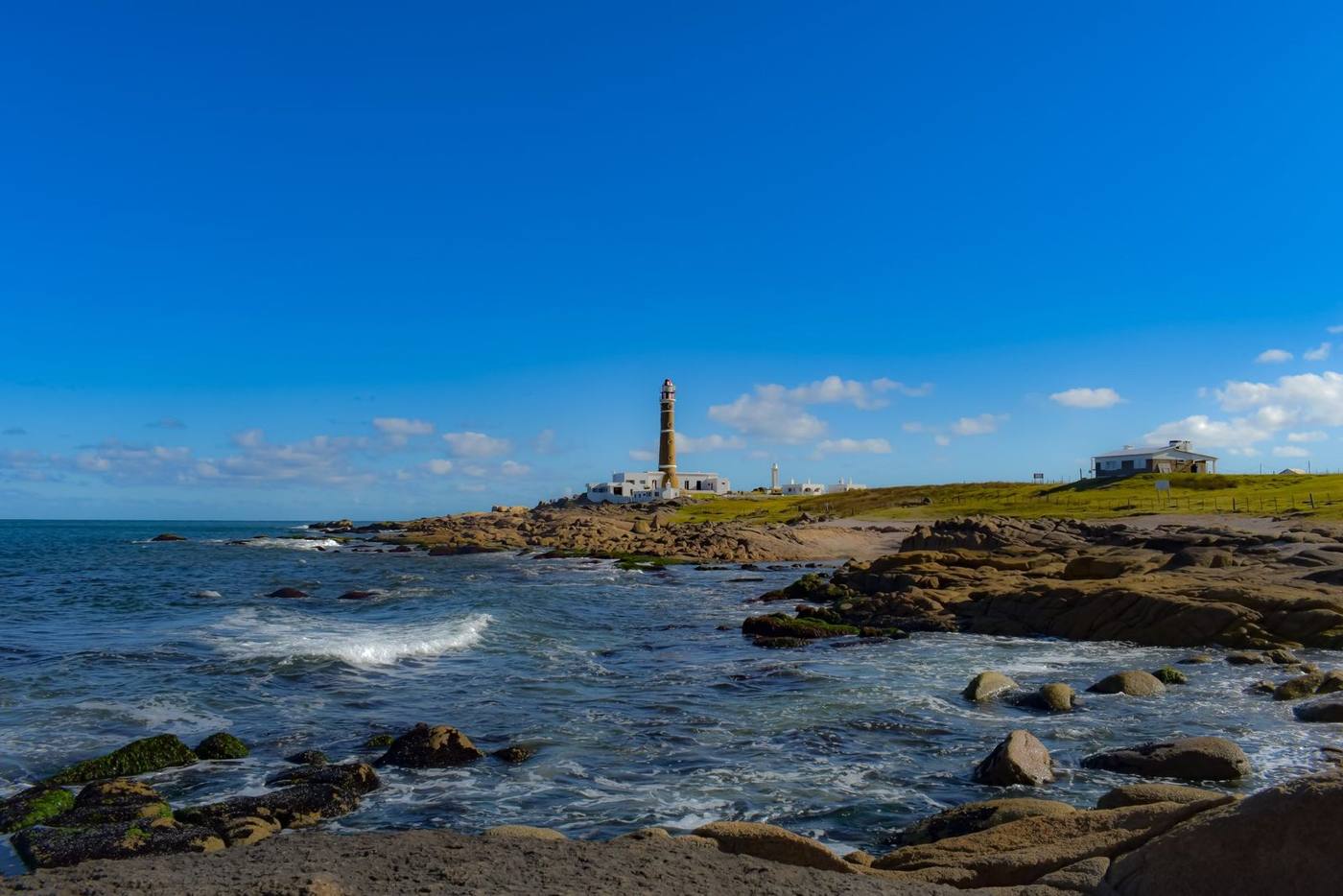
A fishing village with no roads or mains power among the Rocha dunes, with its lighthouse, sea lion colony and starry skies.
- Montevideo
- Puerto de los Botes
- Cabo Polonio
Day by day
- Day 1
From Montevideo to the dunes of Cabo Polonio
This trip takes you to one of the most unusual places in Uruguay: Cabo Polonio, a fishing village on a rocky point in the department of Rocha, with no paved roads and no mains electricity, surrounded by sand dunes. It has been a national park since 2009. In three days you see the lighthouse, the sea lion colony, the beaches and the starry sky.
Before you go: Italian citizens enter Uruguay with a passport valid for the whole stay, without a visa for tourism for up to 90 days; an identity card is not enough. Other nationalities should check their own rules. In Montevideo, avoid walking alone downtown and near the port in the evening.
In the morning, leave Montevideo by car or by bus from the Tres Cruces terminal, heading east. In about four hours you reach the park's access terminal on Ruta 10. The road ends here: private cars cannot enter. Leave the car in the car park and board one of the 4x4 trucks authorised by the park, the only way to reach the village.
The ride takes about half an hour, through low woodland and then high dunes, to the sea. The village appears suddenly: colourful wooden cottages scattered over the sand, fishing boats and the lighthouse on the point.
Drop your bag and walk along Playa Sur, wide and open. At sunset, climb onto the rocks near the lighthouse.
In the evening the village stays almost dark. The houses use solar panels or small generators. Look at the stars and the Milky Way, very clear on these nights.
Practical tip: bring a head torch and cash, because there is little light and not everywhere takes cards. Tents and pets are not allowed in the park.
- Day 2
The lighthouse, the sea lions and the beaches
Today you explore the point of Cabo Polonio on foot, from the lighthouse to the dunes.
In the morning, go to the lighthouse, built at the end of the nineteenth century to mark a coast where many ships were wrecked. If it is open, climb the steps to the lantern: from the top you see the cape's two beaches, the dunes and, offshore, the small rocky islands. Check prices and times.
Below the lighthouse, on the rocks, lives a large colony of sea lions and fur seals. You hear them before you see them: they bark, push each other and sleep in the sun piled on top of one another. Watch them from the viewing points, keep your distance and never stand between an animal and the sea.
For lunch, eat the fresh fish of the day, or seaweed fritters, a speciality of the Rocha coast.
In the afternoon, walk along Playa Norte, which is wilder, and climb the dunes to see the village from above. The sand is very hot in the middle of the day: wear light shoes and carry water. The sea is cold and often rough: swim only with lifeguards and a green flag.
In spring, roughly from September to November, southern right whales are sometimes seen close to the coast. In summer, instead, the beach fills with young people and families.
In the evening, go back to the rocks for the last light, then have dinner in one of the village's small kitchens.
Practical tip: wear sun cream and a hat even when it is windy, because the Uruguayan sun is very strong and there is no shade on the dunes.
- Day 3
Dawn on the cape and the return
Today you enjoy a last morning on the cape and then return to Montevideo.
Get up before dawn and walk to Playa Sur. The sun rises out of the Atlantic, the village is asleep and on the sand you see only the footprints of gulls. It is the quietest moment of the day, especially in high season.
After breakfast, take a walk among the houses. Each one is different: some are built with wood from boats, others have names painted on the door. Greet the fishermen as they come back with their boats, if the sea allows it.
At the end of the morning, go back to the truck stop and take the authorised vehicle to the terminal on Ruta 10. Check the time of the last ride: in summer there are many trips, out of season far fewer.
Pick up the car and drive back towards Montevideo, about four hours. If you have time, stop in Punta del Este or Piriápolis to break the journey.
In these three days you have seen a place like no other: a village without roads among the dunes, the lighthouse above the rocks, the sea lions and nights with almost no artificial light.
When to go: from December to March, when it is warm and everything is open. In January the village is full: book your accommodation well ahead. Out of season it is almost deserted and some services close, but the landscape is even wilder.
Practical tip: travel with a rucksack rather than a wheeled suitcase, because in the village you always walk on sand.
A unique, slightly hippie place. Simple lodgings and little light at night: bring a torch and cash. Full in January; almost empty off season.
Before you go
- Documents and visa
- Passport valid for the whole stay, with at least one blank page for the entry stamp; no visa is needed for tourism for up to 90 days. ID cards are accepted only for citizens of neighbouring South American countries.
- Health and vaccines
- No vaccinations are compulsory. Dengue is present: use repellent, especially in summer. The sun is very strong, with high UV levels: wear sun cream and a hat. On beaches, follow the lifeguard flags; lifeguards are usually on duty from December to March. You need insurance covering medical costs and repatriation. Emergencies: 911.
- Money and payments
- Uruguayan peso. Cards work almost everywhere, including the coastal towns; carry some cash for small villages and for Cabo Polonio. Use cash machines inside banks or shopping centres, by day.
- Power sockets
- Types C, F and L, sometimes I, 220 to 230 volts: you need an adapter for British plugs.
- Time zone
- UTC-3 all year: Uruguay does not use daylight saving time.
- Safety
- Bag snatching, pickpocketing and muggings, sometimes armed, happen in Montevideo: avoid walking alone downtown and in the port area in the evening, and carry only the cash you need. Leave nothing visible in a car, even at traffic lights. In summer, petty theft rises in the beach towns. Away from the toll motorways, roads can have potholes: drive carefully, preferably by day. Official advice: GOV.UK.
Information checked in November 2026 for Italian and EU citizens. Rules change: always check before you travel.
Variations
In one day from Punta del Este: drive to the terminal, enter with the authorised vehicle, see the lighthouse and the sea lions and return in the evening.
In 5 days: add Punta del Diablo and Santa Teresa park, further north on the Rocha coast.
Frequently asked questions
Can I drive to Cabo Polonio?
No. Private cars stay at the terminal on Ruta 10. You enter only with the 4x4 trucks authorised by the park.
Is there electricity in Cabo Polonio?
There is no mains electricity. Houses use solar panels or generators: bring a torch and a power bank.
What document do I need for Uruguay?
Italian citizens enter with a passport valid for the whole stay, without a visa for tourism for up to 90 days. Other nationalities should check their own rules.
Indicative itinerary written by World Atlas. Before booking, check timetables, seasonal openings, documents and safety.
 3 daysEasy
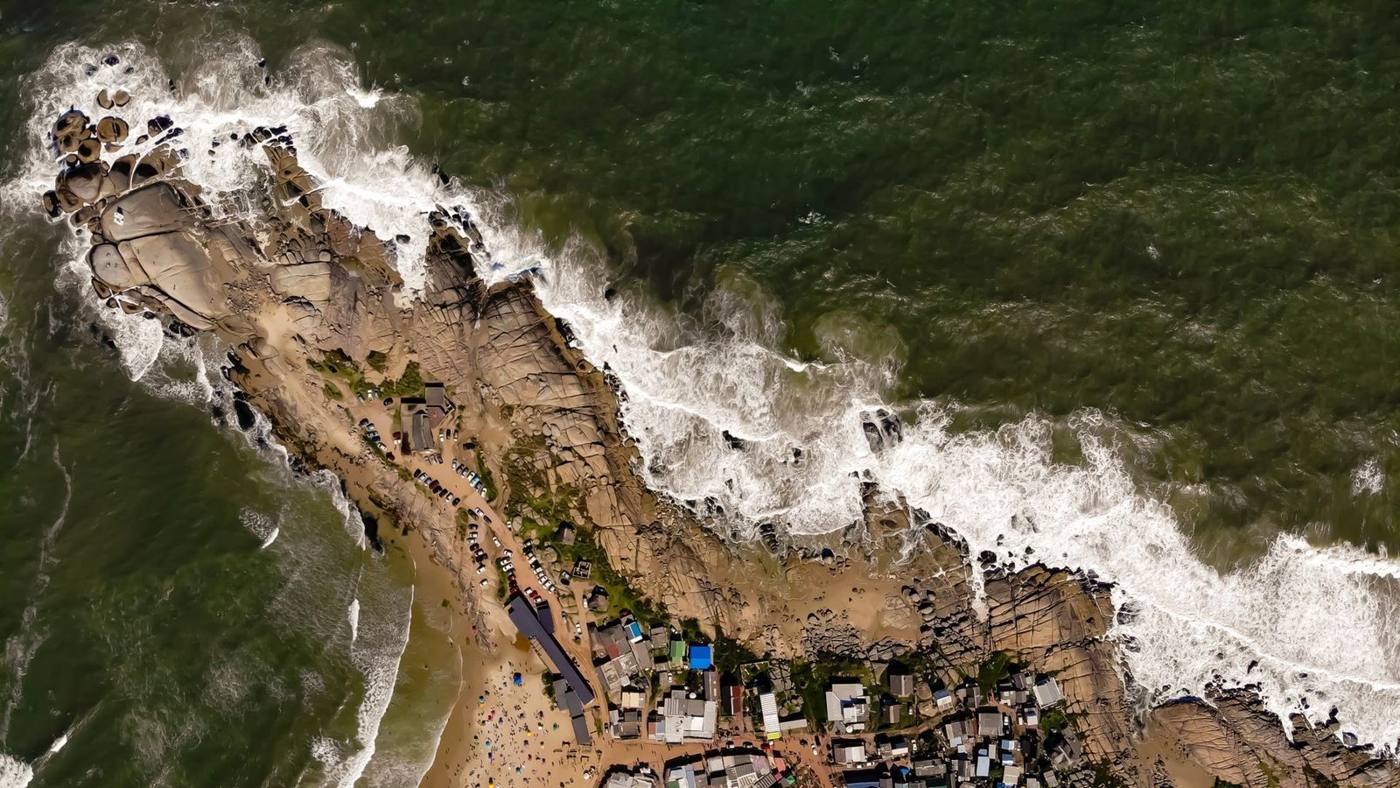
Punta del Diablo and Santa Teresa
The northern Rocha coast: the surf village of Punta del Diablo, the fortress and park of Santa Teresa with its beaches, and the lagoons near Brazil.
 3 daysEasy
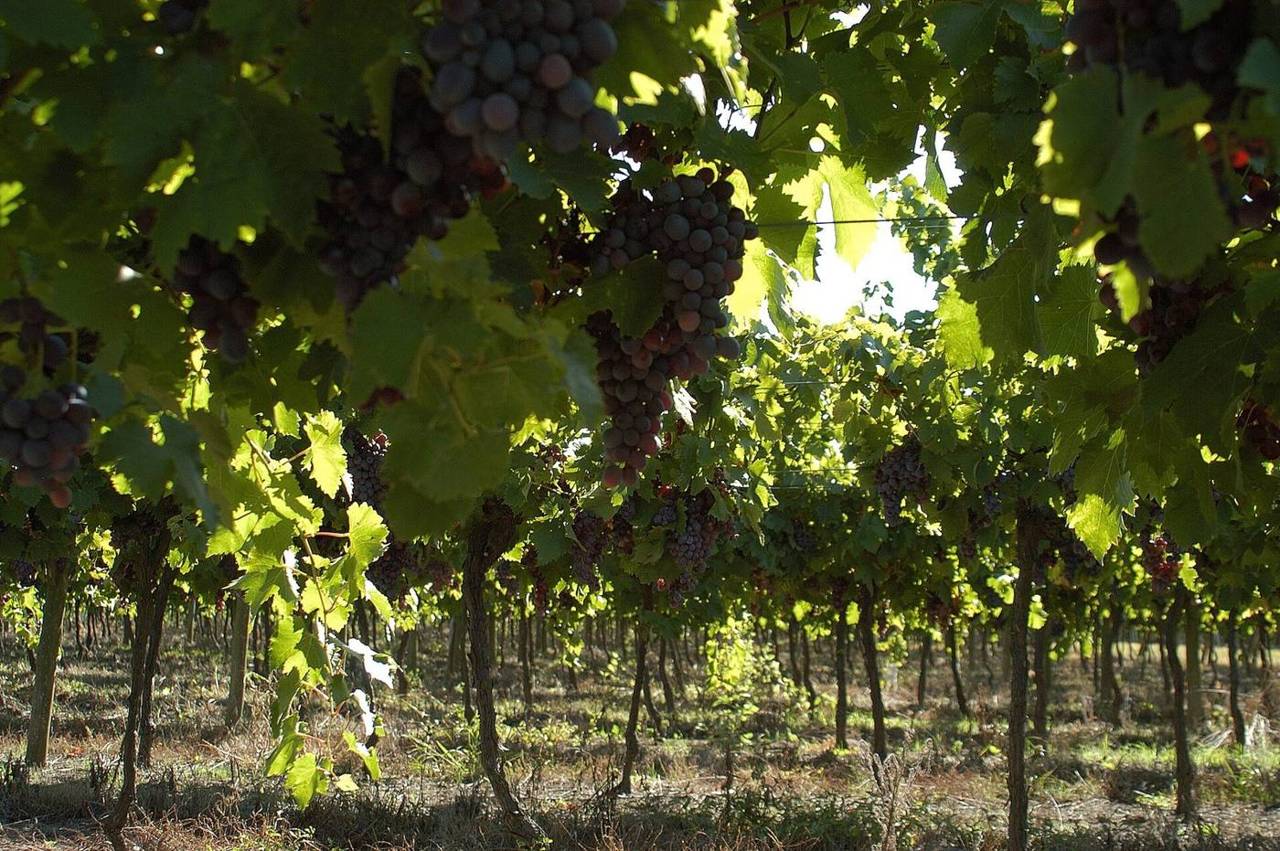
Tannat from Canelones and Carmelo
The family wineries of Uruguay's signature grape, around Montevideo and on the Río de la Plata at Carmelo, with asado and lunches among the vines.
 3 daysEasy
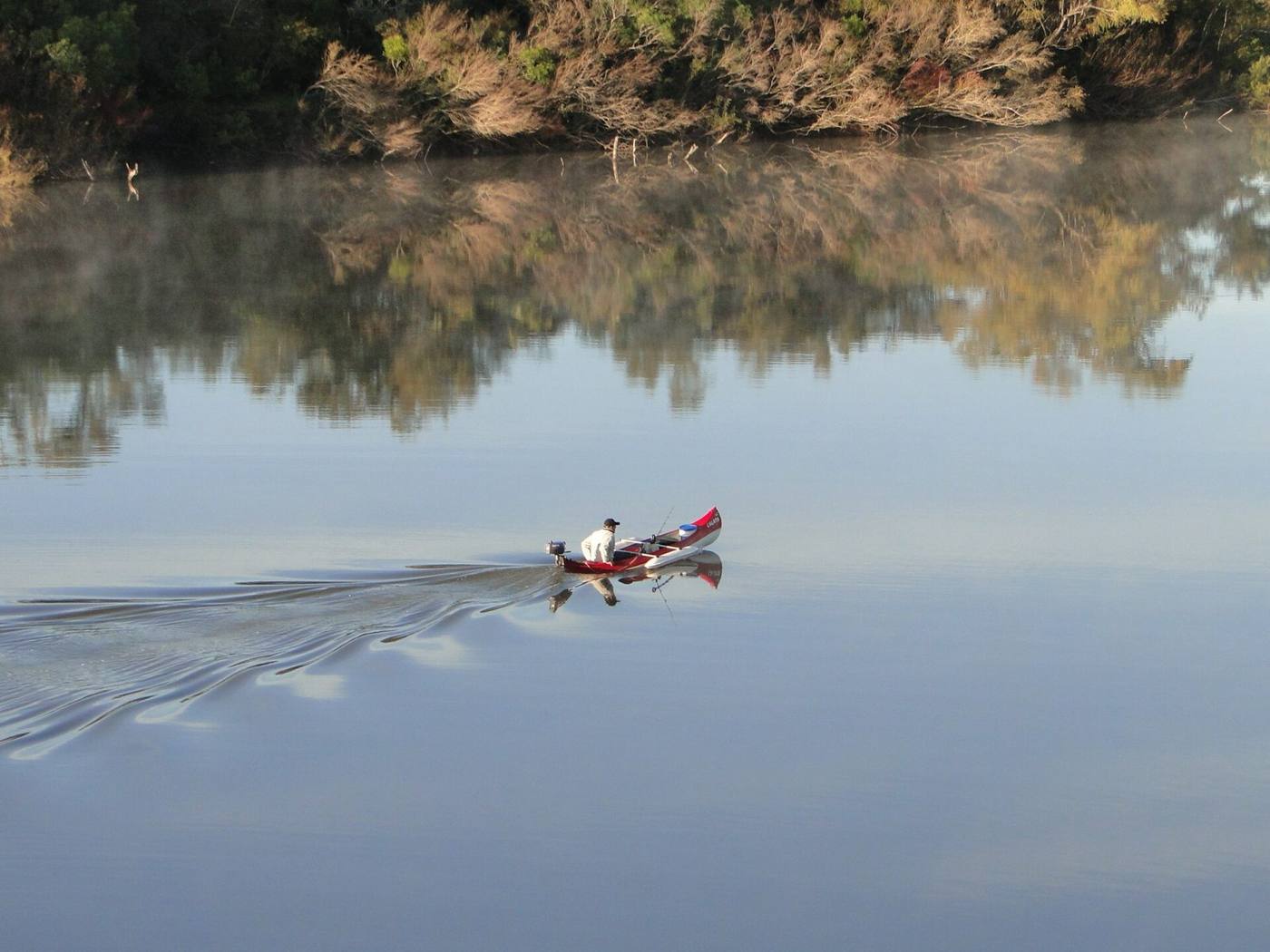
The hot springs of Salto
The thermal waters along the Uruguay river, at Daymán and Arapey, with outdoor hot pools, the Salto Grande dam and heron colonies on the river.