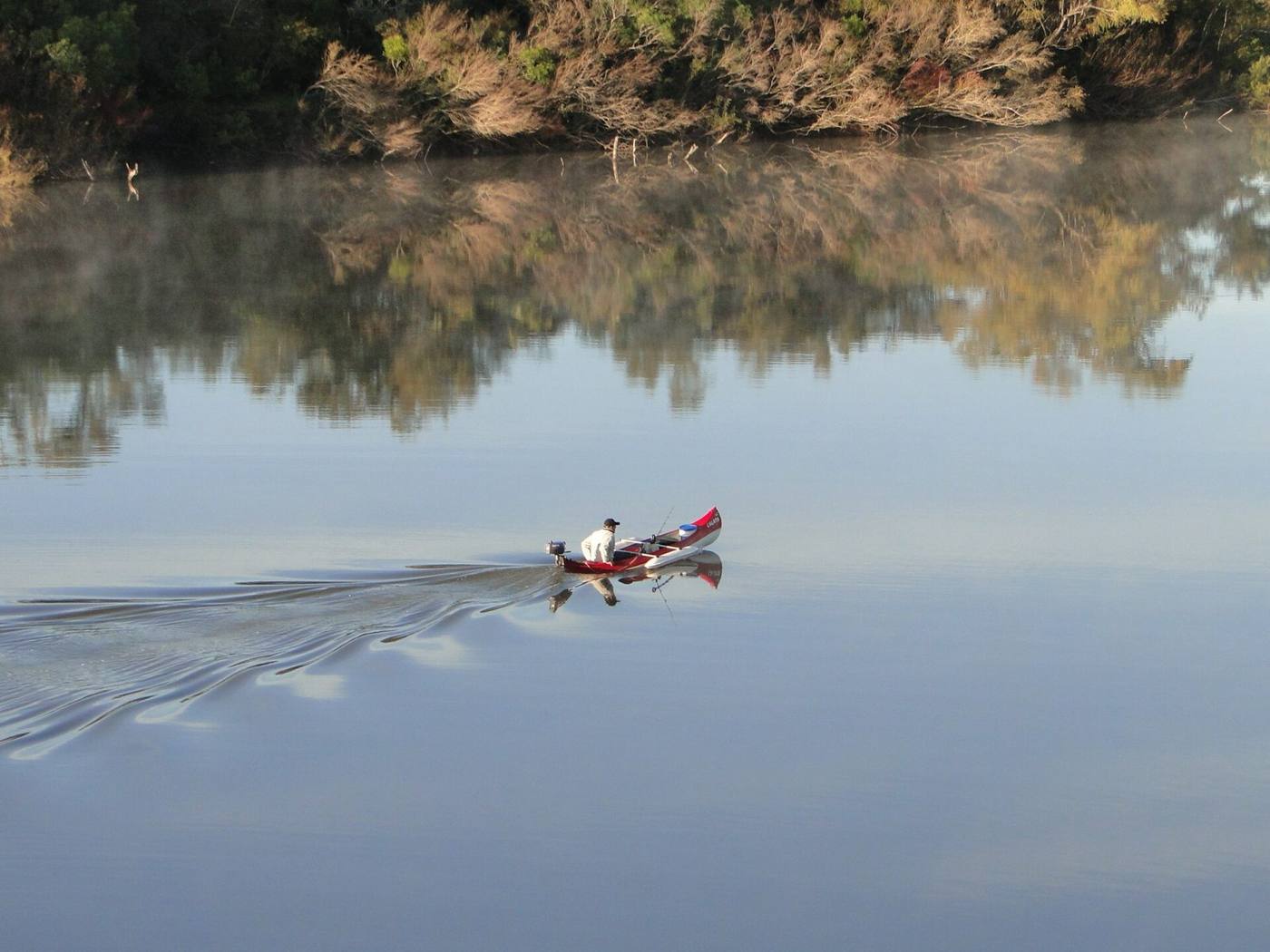
The hot springs of Salto
The thermal waters along the Uruguay river, at Daymán and Arapey, with outdoor hot pools, the Salto Grande dam and heron colonies on the river.
- Salto
- Daymán
- Arapey
Day by day
- Day 1
Arrival in Salto and the Daymán hot springs
This trip takes you to the banks of the Uruguay River, on the border with Argentina, in the area of the hot springs Uruguayans love most. In three days you bathe in the warm open-air pools of Daymán and Arapey, see the great Salto Grande dam and the birds along the river. You travel by bus and by car.
Before you go: Italian citizens enter Uruguay with a passport valid for the whole stay, without a visa for tourism for up to 90 days; an identity card is not enough. Other nationalities should check their own rules. At the Tres Cruces bus terminal in Montevideo, always keep your luggage close.
Leave Montevideo early. Salto is about six hours north-west by bus, across plains of pasture, wheat fields and eucalyptus woods. In town, hire a car, or use taxis and local buses to reach the springs.
In the afternoon, walk along the costanera, Salto's riverside promenade. The Uruguay River is wide and dark, and on the far bank you see the Argentine city of Concordia.
Towards evening, go to the Daymán hot springs, about ten kilometres from the centre. The hot water rises from deep underground and fills open-air pools at different temperatures, surrounded by lawns and trees. Start in a lukewarm pool, then move to the hotter ones. At sunset, with steam rising into the cool air, the atmosphere is very relaxing. Check prices and times.
In the evening, have grilled meat for dinner in Daymán or Salto.
Practical tip: bring flip-flops, a bathrobe and a padlock for the locker, because the spa complexes do not always have them for hire.
- Day 2
The Arapey hot springs
Today you go further north, to the Arapey hot springs, in the countryside along the Arapey Grande River.
In the morning, leave Salto by car or by bus. In just over an hour you cross open pastures, with herds of cows, horses and few trees, the typical landscape of inland Uruguay.
Arapey is a small spa village of pools, lawns and cottages, in the middle of the countryside. The water comes out at around 39 degrees on average.
Spend the morning in the water, alternating the hot pools with breaks in the shade. Do not stay too long in the hottest pools: get out now and then, drink plenty of water and do not bathe straight after lunch.
Here you see clearly how Uruguayans relax: whole families arrive with the mate thermos, folding chairs and a lunch bag, and spend the day between the hot water and the lawn, chatting without hurry.
For lunch, eat a milanesa, the breaded cutlet much loved in Uruguay, or an asado, often cooked by families on the grills near the pools.
In the afternoon, walk along the river, where you see herons, kingfishers and cormorants among the trees on the banks.
In the evening, go back to Salto or stay in Arapey, for another hot bath under the stars.
Practical tip: drive by day on inland roads, because they are long and straight but poorly lit, and at night there may be animals on the carriageway.
- Day 3
The Salto Grande dam and the return
Today you see the great dam on the Uruguay River and then return to Montevideo.
In the morning, go to the Salto Grande dam, a few kilometres north of the town. It is a large hydroelectric plant built jointly by Uruguay and Argentina, which produces power for both countries. The road to Argentina also runs across the top of the dam. From the viewpoint you see the reservoir on one side and the river on the other. Ask whether there are guided tours of the plant and check prices and times.
Then head back towards Salto along the river. On the banks and the small islands live colonies of white herons, cormorants and other water birds: stop in a quiet spot and watch them fly in the morning.
If you have time, take a last short bath in Daymán before the journey. Then take the bus or drive to Montevideo, about six hours on the road.
In these three days you have seen a Uruguay very different from the sea: the warm waters of Daymán and Arapey, the northern countryside and the great river on the border with Argentina.
When to go: from May to September, in the southern winter, when the air is cool and the hot water is most welcome. The July winter holidays and long weekends are very crowded. In summer it is very hot and the springs are full of families.
Practical tip: in summer, along the river, use mosquito repellent, because dengue is present in the country.
A relaxing winter break, much loved by Uruguayans. Salto is 6 hours by bus from Montevideo. Family atmosphere, not luxury.
Before you go
- Documents and visa
- Passport valid for the whole stay, with at least one blank page for the entry stamp; no visa is needed for tourism for up to 90 days. ID cards are accepted only for citizens of neighbouring South American countries.
- Health and vaccines
- No vaccinations are compulsory. Dengue is present: use repellent, especially in summer. The sun is very strong, with high UV levels: wear sun cream and a hat. On beaches, follow the lifeguard flags; lifeguards are usually on duty from December to March. You need insurance covering medical costs and repatriation. Emergencies: 911.
- Money and payments
- Uruguayan peso. Cards work almost everywhere, including the coastal towns; carry some cash for small villages and for Cabo Polonio. Use cash machines inside banks or shopping centres, by day.
- Power sockets
- Types C, F and L, sometimes I, 220 to 230 volts: you need an adapter for British plugs.
- Time zone
- UTC-3 all year: Uruguay does not use daylight saving time.
- Safety
- Bag snatching, pickpocketing and muggings, sometimes armed, happen in Montevideo: avoid walking alone downtown and in the port area in the evening, and carry only the cash you need. Leave nothing visible in a car, even at traffic lights. In summer, petty theft rises in the beach towns. Away from the toll motorways, roads can have potholes: drive carefully, preferably by day. Official advice: GOV.UK.
Information checked in November 2026 for Italian and EU citizens. Rules change: always check before you travel.
Variations
In two days: arrive in Salto, spend the evening in Daymán and the next day see the dam before leaving.
In 5 days: add two nights on an inland estancia, with horse rides and asado.
Frequently asked questions
How far is Salto from Montevideo?
About six hours north-west by bus. It is best to leave early and stay at least two nights.
When is the best time for the hot springs?
From May to September, when it is cool. If you can, avoid the July holidays and long weekends, which are very crowded.
What document do I need for Uruguay?
Italian citizens enter with a passport valid for the whole stay, without a visa for tourism for up to 90 days. Other nationalities should check their own rules.
Indicative itinerary written by World Atlas. Before booking, check timetables, seasonal openings, documents and safety.
 2 daysModerate
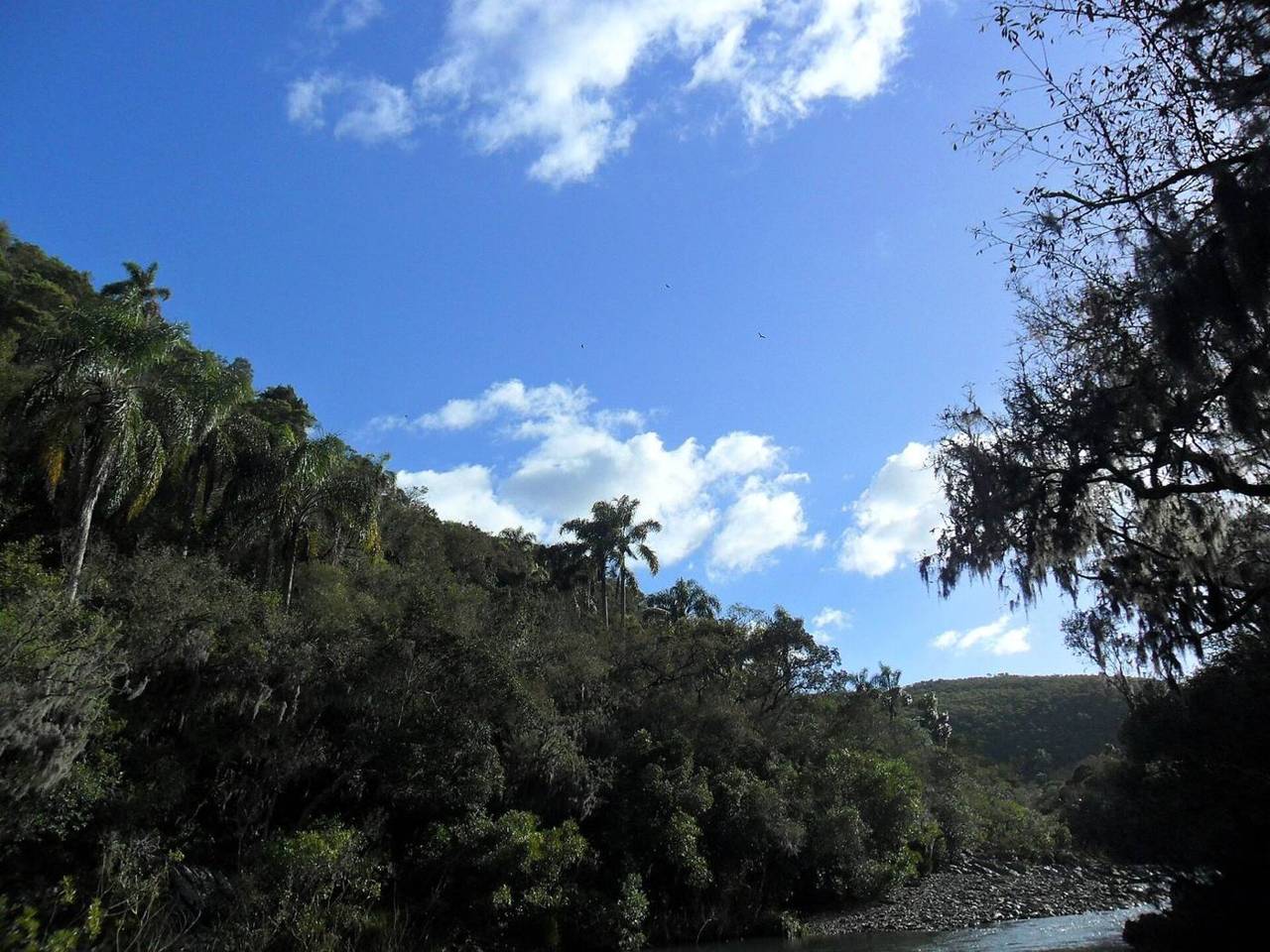
Quebrada de los Cuervos
A wooded canyon in the heart of Uruguay, the country's first protected park, with trails, birds of prey and farm stays in the Treinta y Tres countryside.
 3 daysEasy
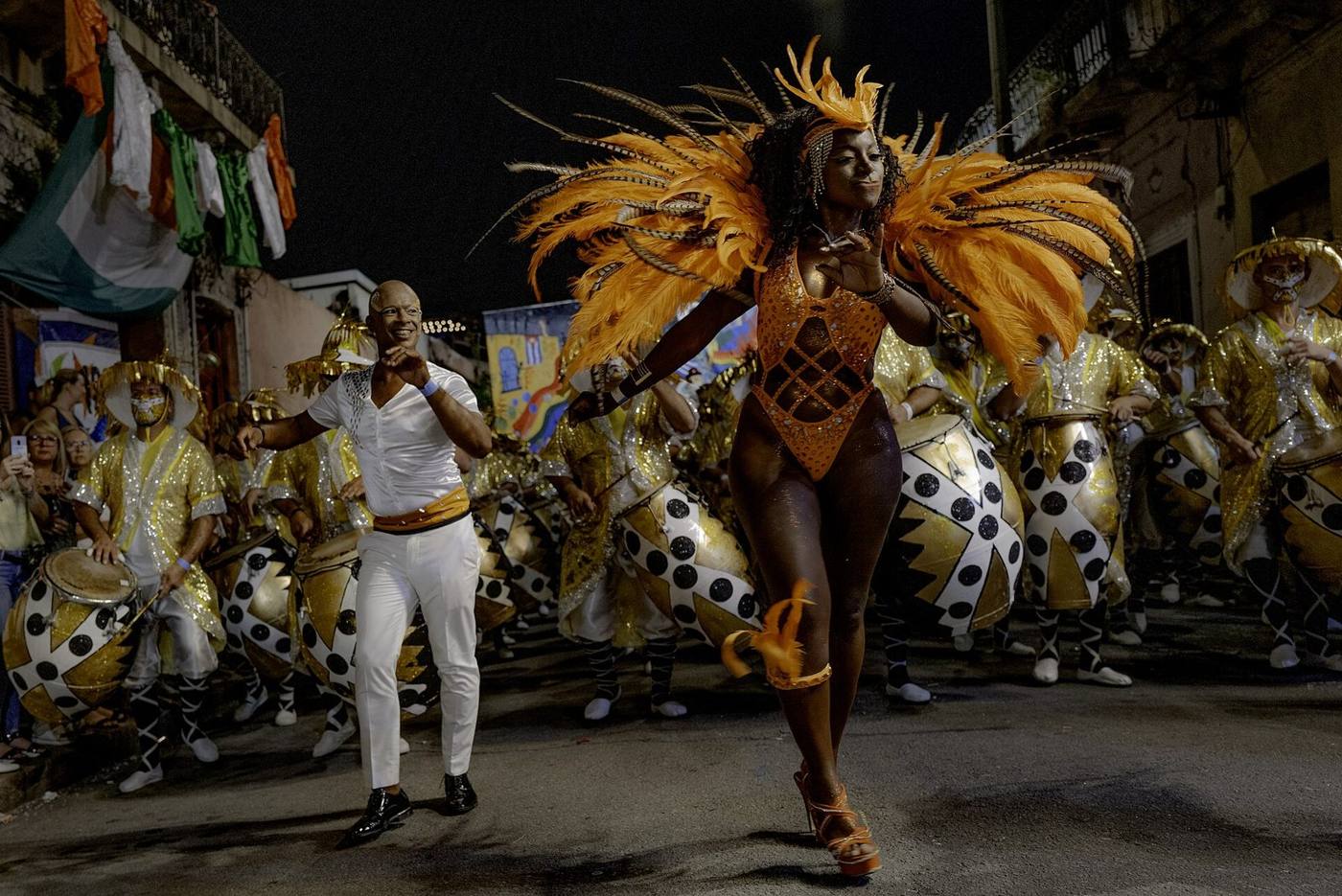
Candombe and Montevideo's carnival
The world's longest carnival: the Llamadas of candombe drums in the Sur and Palermo districts, the murgas in open-air theatres and the carnival museum.
 2 daysEasy
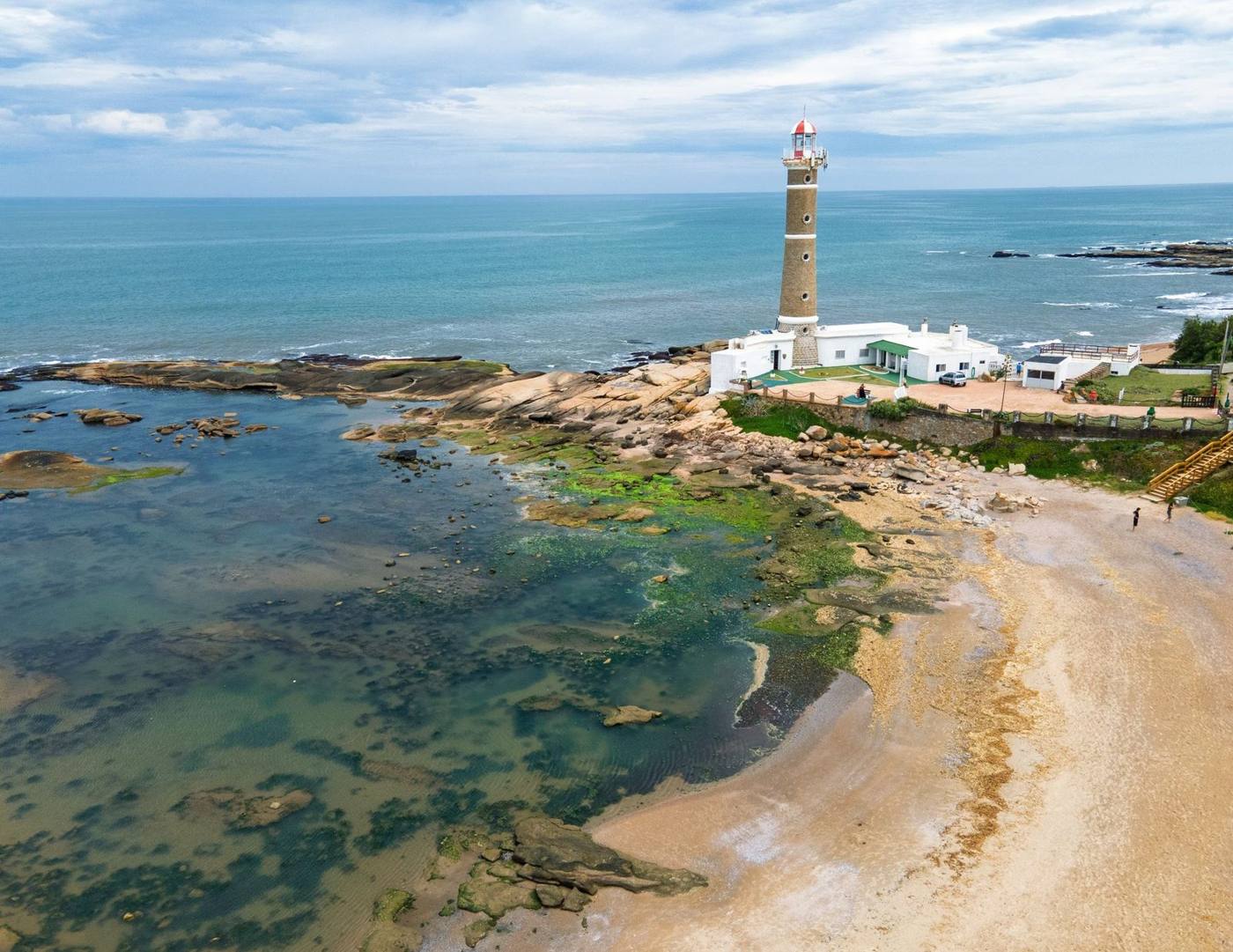
José Ignacio and Garzón
The stylish side of the coast: the lighthouse and beaches of José Ignacio, the village of Pueblo Garzón with Francis Mallmann's cooking and the large hillside wineries.