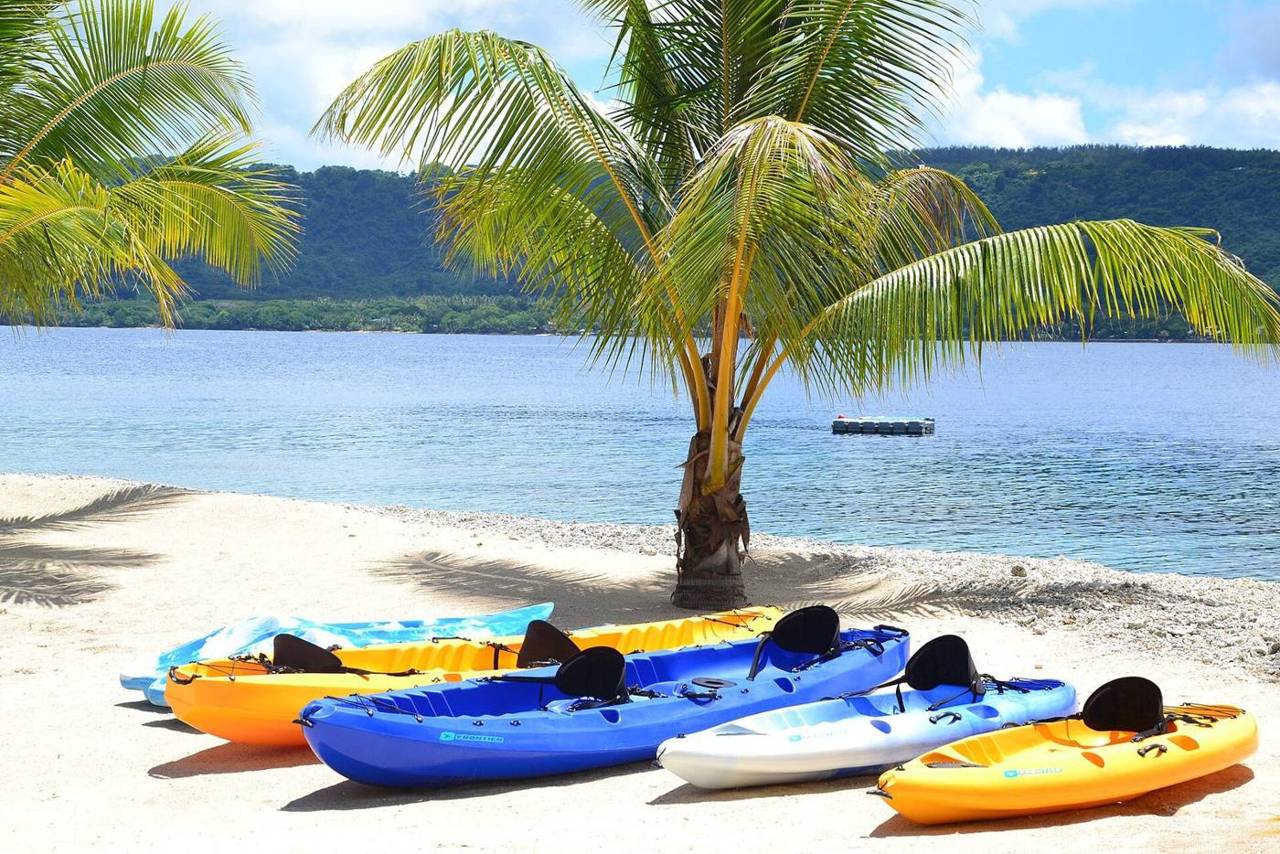
Around Efate
The coast road around the capital's island: the Blue Lagoon, Eton beach, the northern villages, Havannah Harbour and the underwater post office of Hideaway Island.
- Port Vila
- Eton
- Blue Lagoon
- Havannah Harbour
- Hideaway Island
Day by day
- Day 1
Eton, the Blue Lagoon and the north coast
This two-day trip follows the coast road that goes round Efate, the island of Vanuatu's capital: beaches, turquoise lagoons, villages and Second World War bays, and then a day by the sea on Hideaway Island.
Before you go: Italian citizens enter Vanuatu with a passport valid for at least six months and, as European Union citizens, without a visa for short stays of up to 90 days. You may be asked for a return or onward ticket. Other nationalities should check their own rules. The December 2024 earthquake damaged roads and buildings in Port Vila and on some stretches of the island: ask locally about road conditions before setting off. From November to April there is a risk of cyclones.
Leave Port Vila early in the morning, in a hire car or with a driver, and take the road east. Driving is on the right and the road is mostly paved, but there are potholes and stretches under repair.
The first stop is Eton, with a pale sand beach and a lagoon where fresh and salt water mix, and where the village families charge an entrance fee. Check prices and times. A little further on is the Blue Lagoon, an intensely blue lagoon among the mangroves, with ropes for swinging into the water from the trees.
Then continue north, past villages, coconut plantations and empty beaches. Stop for lunch in a village: families often cook fish, lap lap and fruit.
In the afternoon you reach Havannah Harbour, a large sheltered bay on the west coast, where the United States fleet anchored during the Second World War. Today it is peaceful, with calm water and islands opposite.
Sleep on the west coast or in Port Vila.
Practical tip: bring cash in vatu, in small notes, for the entrance fees to beaches and lagoons.
- Day 2
Hideaway Island and the underwater postcard
Today is a day by the sea on Hideaway Island, a small island in Mele Bay, a few minutes by boat from the shore and about twenty minutes from Port Vila.
The island is surrounded by a marine reserve: fishing is banned here and the coral reef is full of life. You get there on a boat that shuttles from the shore. Check prices and times.
With mask and snorkel you go into the water straight from the beach. After a few metres you find corals of every colour, clownfish in anemones, butterflyfish, sea urchins and starfish. Move calmly and do not touch anything.
The island's most famous curiosity is the underwater post office, a few metres down: you buy a waterproof postcard on the island, write it with a special pencil and then post it by swimming down to the box on the seabed. The card reaches home with a special postmark. Check prices and times, and ask first whether the service is running.
After your swim rest in the shade of the trees or look out over Mele Bay, with green hills all around.
In the afternoon go back to Port Vila.
Trip summary: in two days you have gone round Efate, with Eton, the Blue Lagoon, the northern villages and Havannah Harbour, and swum at Hideaway Island, posting a postcard under water.
When to go: from May to October, in the cooler, drier season. From November to April there is a risk of cyclones.
Practical tip: wear reef shoes: in some places you get into the water over coral and stones.
Easy and suited to everyone, with a car or driver. After the December 2024 earthquake some roads and buildings in Port Vila needed long repairs: ask locally about the most damaged stretches.
Before you go
- Documents and visa
- Passport valid for at least six months. European Union citizens do not need a visa for short stays of up to 90 days. You may be asked for a return or onward ticket.
- Health and vaccines
- Malaria is present, especially outside Port Vila: ask your doctor about prevention. There is also dengue, hepatitis and typhoid: use repellent. Health facilities are very limited and medicines are scarce: you need insurance that covers medical costs and repatriation. The hyperbaric chambers are in Port Vila. Outside Port Vila and Luganville drink bottled or boiled water. Emergencies: 112 in Port Vila and Luganville.
- Money and payments
- Vatu. Cash machines and cards in Port Vila and Luganville; on the other islands you need cash in vatu, including to enter villages.
- Power sockets
- Type I, 220-240 volts: you need an adapter for European plugs.
- Time zone
- UTC+11 all year.
- Safety
- Crime is generally low, but there have been thefts and attacks, including on isolated beaches and at nightclubs in Port Vila. Seismic and volcanic area: earthquakes, tsunamis and eruptions can close access to an island. The December 2024 earthquake damaged Port Vila. Cyclones from November to April. Domestic flights use small planes and schedules often change. Ask permission before entering a village. Avoid driving at night. Official advice: GOV.UK.
Information checked in November 2026 for Italian and EU citizens. Rules change: always check before you travel.
Variations
Shorter version: a single day, going round the island and back to Port Vila in the evening.
Longer version: add a day for the Mele cascades and the Port Vila market.
Frequently asked questions
Do I need a car to go round Efate?
It is the most convenient way, or you can book a driver for the day. Driving is on the right; avoid driving at night.
Do you pay to visit the beaches?
Yes, many beaches and lagoons are on village land and you pay an entrance fee to the community. Bring cash in vatu.
Have the roads been repaired after the earthquake?
Many stretches have, but some areas may still be damaged. Ask locally about road conditions before setting off.
Indicative itinerary written by World Atlas. Before booking, check timetables, seasonal openings, documents and safety.
 5 daysModerate
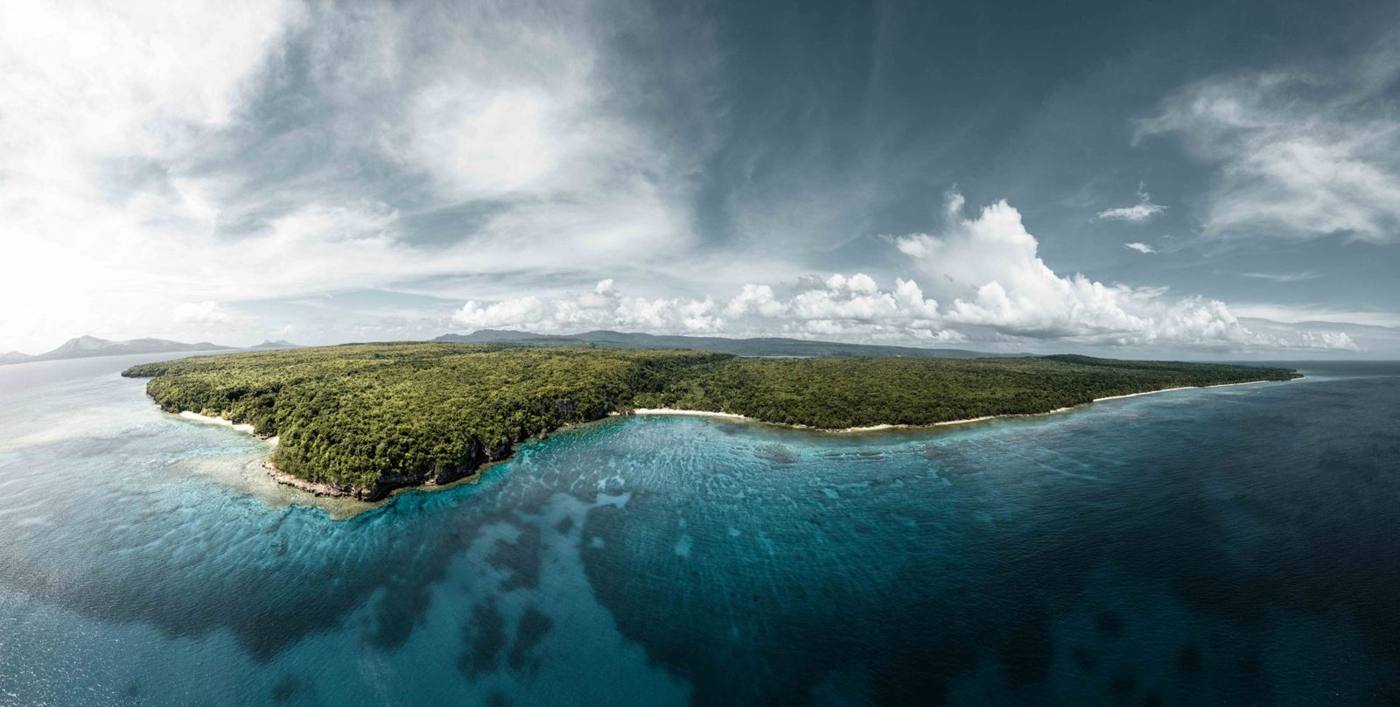
Tanna and Mount Yasur
The crater rim of Yasur, one of the world's most accessible active volcanoes, and the kastom villages living by tradition.
 7 daysEasy
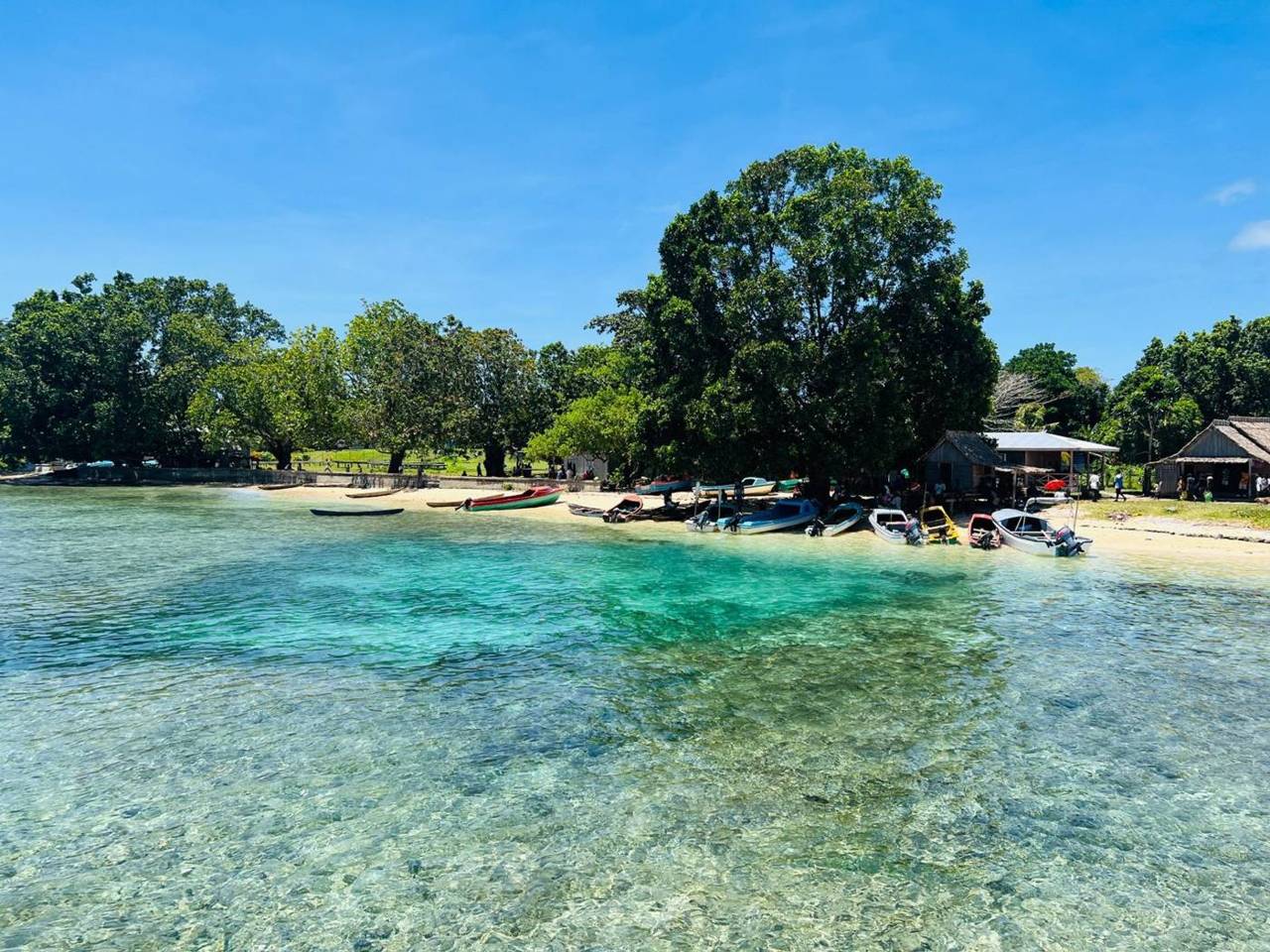
Efate and Espiritu Santo
Port Vila and Mele falls, then Santo with its freshwater blue holes, Champagne Beach and the dive on the SS President Coolidge wreck.
 3 daysModerate
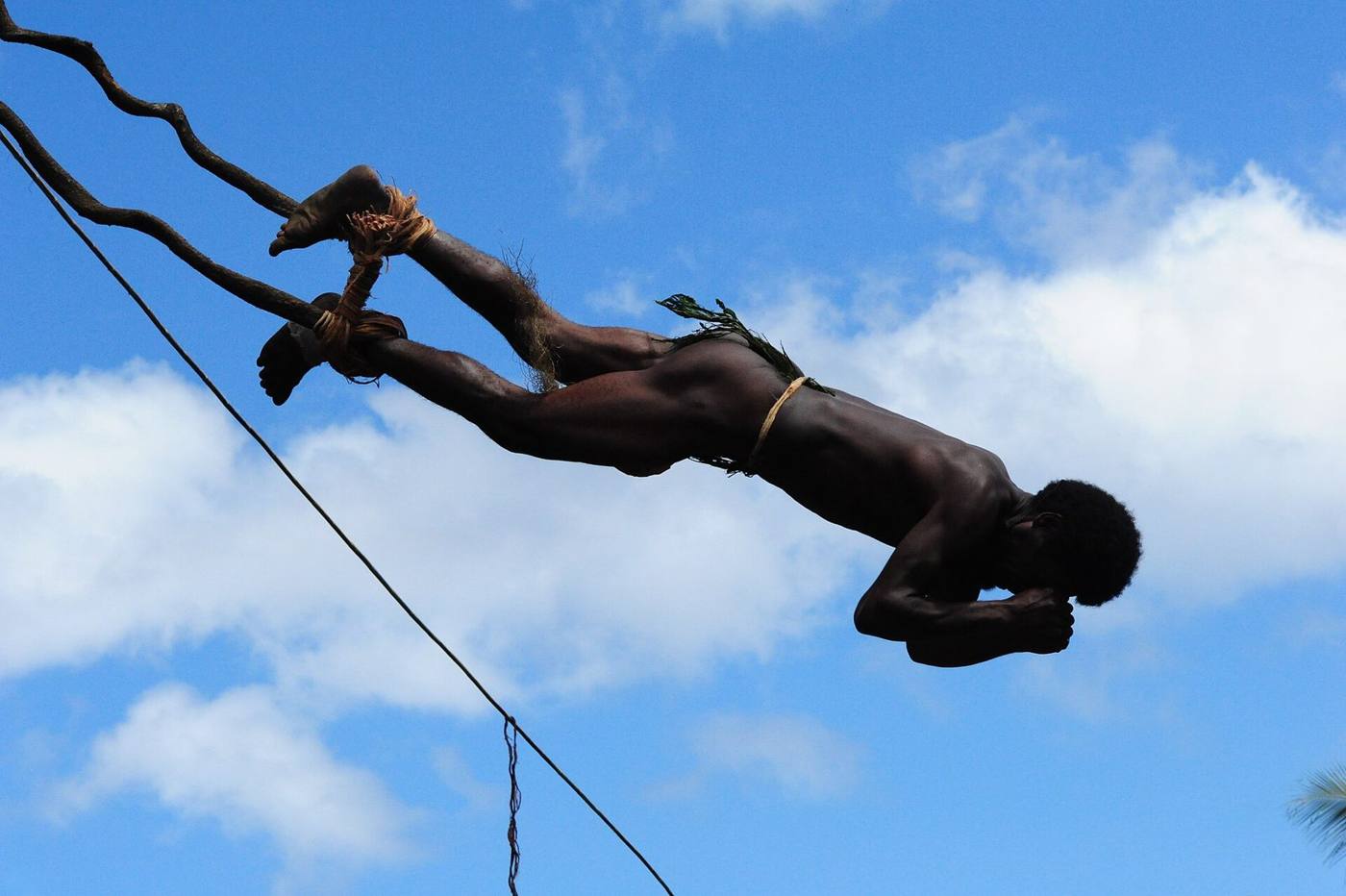
The Nagol of Pentecost
The ritual leap from the wooden towers of south Pentecost, tied only by vines to the ankles: a ceremony linked to the yam harvest, ancestor of bungee jumping.