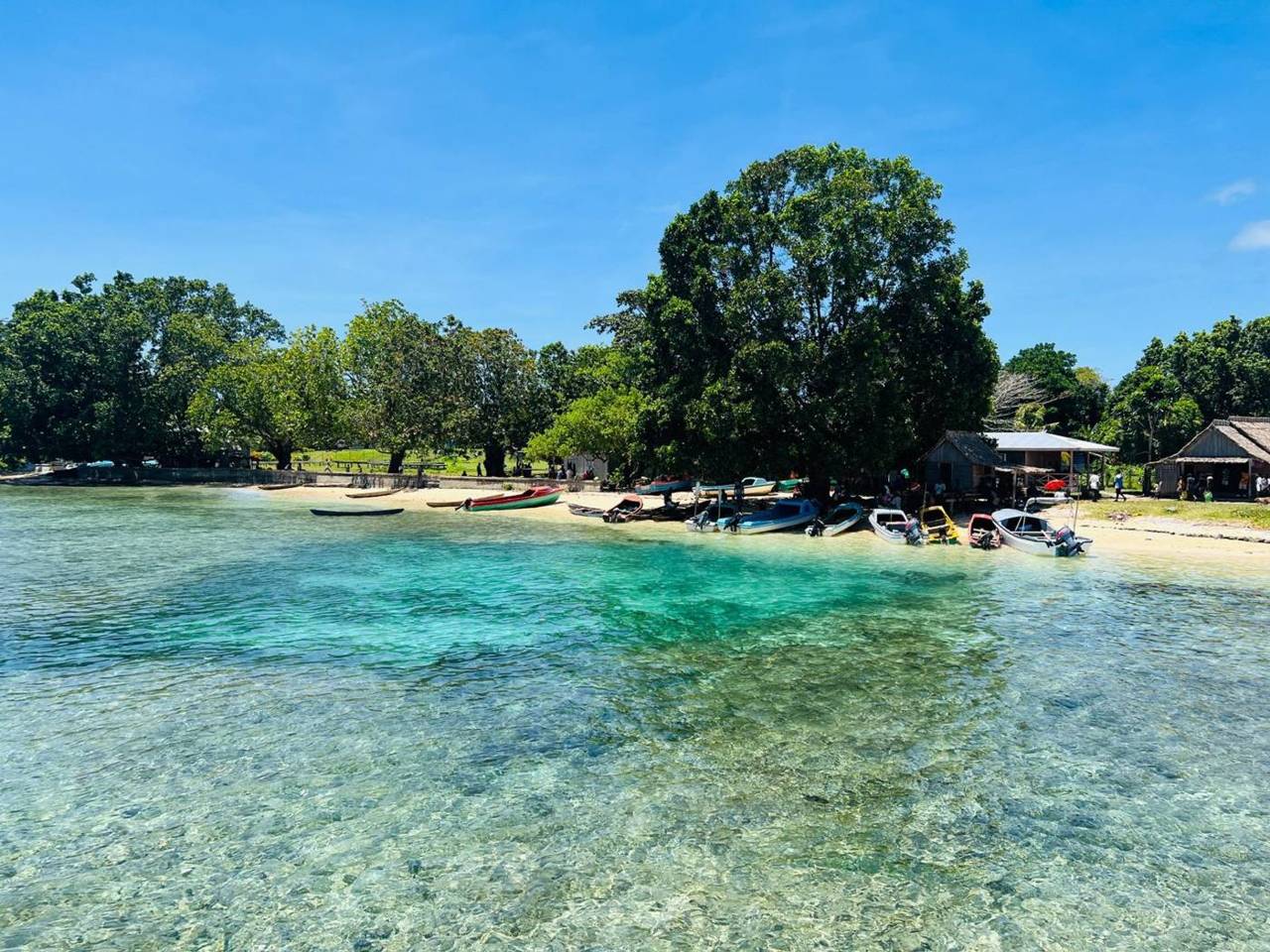
Efate and Espiritu Santo
Port Vila and Mele falls, then Santo with its freshwater blue holes, Champagne Beach and the dive on the SS President Coolidge wreck.
- Port Vila
- Mele
- Luganville
- Matevulu Blue Hole
- Champagne Beach
- Coolidge
Day by day
- Day 1
Arrival in Port Vila
This seven-day trip takes you to the two best-known islands of Vanuatu: Efate, with the capital Port Vila and the Mele cascades, and Espiritu Santo, the largest island in the archipelago, with its freshwater blue holes, Champagne Beach and the wreck of the SS President Coolidge, one of the largest and most accessible in the world.
Before you go: Italian citizens enter Vanuatu with a passport valid for at least six months and, as European Union citizens, without a visa for short stays of up to 90 days. You may be asked for a return or onward ticket. Other nationalities should check their own rules. International and domestic flights are few, and small planes often change times because of the weather: leave a spare day. From November to April there is a risk of cyclones. The 2024 earthquake damaged part of Port Vila: some areas may still be closed, so follow local directions. Malaria is present, especially outside Port Vila: ask your doctor about prevention.
You land at Bauerfield airport, a few minutes from the town. Port Vila looks out over a sheltered bay, with green hills around it and small islands in front.
In the afternoon walk along the waterfront and watch the boats in the bay. If you feel tired after the journey, rest: the time difference from Europe is very large.
In the evening try lap lap, the national dish: a paste of root vegetables or banana cooked in leaves under hot stones, often with coconut milk and meat.
Sleep in Port Vila, for two nights.
Practical tip: in the evening use a taxi or a bus marked with the letter B on its number plate, and do not walk alone in dark areas.
- Day 2
The market and the Mele cascades
Today you discover Port Vila and its surroundings.
In the morning go to the town market, where women come from the villages of Efate and nearby islands with fruit, vegetables, root crops, flowers and ready meals. There is no haggling at the market: prices are as marked. Buy some tropical fruit to eat during the day.
Then stop at the Vanuatu National Museum, if it is open, with traditional objects from the different islands: masks, slit drums, mats and sand drawings, a tradition recognised by UNESCO. Check prices and times.
In the afternoon go to the Mele cascades, about twenty minutes from town. A path climbs through the forest along the stream, past pools and small falls, to a tall waterfall that tumbles between the rocks. The last stretch is wet and slippery: wear shoes that can get wet and use the ropes. Check prices and times.
Swim in the pools of clear, cool water, then walk down slowly.
At sunset stop by Mele Bay and watch the sun go down behind the islands.
Along the road to the waterfall you will see gardens, plantations and small villages: wave and slow down, because children and animals often cross the road.
Sleep in Port Vila.
Practical tip: if the waterfall is in flood after heavy rain, do not go into the higher pools: the current can be dangerous.
- Day 3
Flight to Espiritu Santo
Today you fly to Espiritu Santo, the largest island in Vanuatu, north of Efate. The flight takes less than an hour and lands in Luganville, the country's second town.
Luganville began as a large United States military base during the Second World War: tens of thousands of soldiers passed through. In and around the town there are still sheds, airstrips and other remains from those years.
In the afternoon walk along the main street, wide and dusty, with Chinese shops, small markets and the harbour on the Segond Channel. Look at the islands opposite, covered in forest.
If you are diving tomorrow, go to the dive centre to check your equipment, fill in the forms and talk to the guide about your level of experience. The Coolidge dives are deep: the guide needs to know how many dives you have done and to what depth.
Remember that in Vanuatu the hyperbaric chambers are only in Port Vila: that is why it is important to follow the safety rules carefully.
In the evening taste fresh fish and Santo beef, raised in pastures under the palms and highly valued throughout the country.
Sleep in Luganville, for four nights.
Practical tip: bring your diving certificate and logbook: without them, centres may refuse to take you deep.
- Day 4
Diving the President Coolidge
Today you dive the SS President Coolidge, an American liner converted into a troopship, which sank in 1942 at the entrance to the Segond Channel after hitting mines. Almost all the soldiers on board survived by reaching the shore.
The wreck is about two hundred metres long and lies on its side, on a sloping seabed, a short distance from the beach: that is why you enter the water from the shore, on foot. The bow is at moderate depth, while the stern goes much deeper.
On the first dives the guide takes you along the hull and near the decks, where you can see trucks, guns, helmets and soldiers' belongings. The deeper dives reach 'The Lady', a porcelain statue of a woman with a unicorn, which decorated one of the ship's lounges.
These are deep dives, often with decompression stops: do them only with a certified centre, respect the times and do not go beyond your experience. Do not take anything from the wreck: it is protected.
Non-divers can snorkel near the shore or rest on the beach.
In the evening rest and drink plenty of water.
Sleep in Luganville.
Practical tip: after a deep dive avoid strenuous effort and do not drive up into the hills in the hours that follow.
- Day 5
Matevulu Blue Hole and Champagne Beach
Today you explore the east coast of Santo, by car or with a driver. The paved road runs north past coconut plantations, pastures and villages.
The first stop is Matevulu Blue Hole, a large freshwater spring in the forest, so intensely blue that it looks unreal. The water comes from underground, filtered through limestone, and is clear and cool. You can swim, jump from a rope hanging from a tree or paddle a kayak along the river that flows out of it. Check prices and times.
The blue holes are perfect even for those who do not dive: mask and snorkel are enough to see the submerged trunks and the freshwater fish.
Then continue to Champagne Beach, near Hog Harbour, one of the most beautiful beaches in the Pacific: very white sand, calm turquoise water, palms and a green hill behind. The name comes from the bubbles that sometimes rise from the seabed at low tide. The entrance fee is paid to the local community: check prices and times.
In the afternoon swim and eat grilled fish prepared by the families on the beach.
Along the way stop in a village to buy fresh fruit or drinking coconuts, and always ask permission before going in.
Sleep in Luganville.
Practical tip: go to Champagne Beach on days without cruise ships, when the beach is almost empty.
- Day 6
Million Dollar Point
Today you go to Million Dollar Point, east of Luganville, one of the strangest places in Vanuatu.
At the end of the Second World War, the United States army had to leave the island with thousands of vehicles and pieces of equipment. According to the story told on the island, unable to agree a sale, the military pushed them into the sea from a ramp: jeeps, trucks, bulldozers, cranes, crates and parts of every kind. That is where the name comes from.
Today all this material lies under the water, at shallow depth, close to the shore, covered in coral and sponges and full of fish. With mask and snorkel you can see wheels, tracks and metal sheets sticking out of the sand. Divers can go a little deeper, where the remains are larger. Check prices and times.
Wear reef shoes in the water: on the beach there are pieces of rusty metal and sharp coral.
In the afternoon go back to Luganville and rest, or do a last dive or a kayak trip along the coast.
In the evening pack your bags and check the time of tomorrow's flight.
If you dive, ask the centre about other dives around Santo too, on coral reefs and small wrecks shallower than the Coolidge.
Sleep in Luganville.
Practical tip: disinfect every small cut from coral or metal straight away: in the heat it gets infected easily.
- Day 7
Departure
Today is the day you leave. From Luganville take the flight to Port Vila and from there your international flight, or a direct flight from Santo, if there is one. Leave a good margin between the two flights: delays are common.
If you dived the day before, remember the rules: after deep dives you need an interval before flying. Plan your last dive carefully.
Trip summary: in seven days you have seen Port Vila, the market and the National Museum, the Mele cascades, then Espiritu Santo, with the dives on the SS President Coolidge, Matevulu Blue Hole, Champagne Beach and the sunken remains of Million Dollar Point.
When to go: from May to October, in the cooler, drier season, with a calmer sea and the best visibility for diving. From November to April it is hotter, it rains more and there is a risk of cyclones.
Before you leave check that you still have a few vatu for spending at the airport, and leave a good review for the families and guides who looked after you.
If you have a few spare hours in Port Vila, go back to the market to buy a last piece of fruit or a small woven object to take home.
Practical tip: leave at least twenty-four hours between your last dive and your flight, as dive centres require.
The Coolidge is one of the world's largest and most accessible wrecks, but the dives are deep. The blue holes are perfect for non-divers too. The 2023-2024 cyclones and earthquake left damage in Port Vila: check facilities.
Before you go
- Documents and visa
- Passport valid for at least six months. European Union citizens do not need a visa for short stays of up to 90 days. You may be asked for a return or onward ticket.
- Health and vaccines
- Malaria is present, especially outside Port Vila: ask your doctor about prevention. There is also dengue, hepatitis and typhoid: use repellent. Health facilities are very limited and medicines are scarce: you need insurance that covers medical costs and repatriation. The hyperbaric chambers are in Port Vila. Outside Port Vila and Luganville drink bottled or boiled water. Emergencies: 112 in Port Vila and Luganville.
- Money and payments
- Vatu. Cash machines and cards in Port Vila and Luganville; on the other islands you need cash in vatu, including to enter villages.
- Power sockets
- Type I, 220-240 volts: you need an adapter for European plugs.
- Time zone
- UTC+11 all year.
- Safety
- Crime is generally low, but there have been thefts and attacks, including on isolated beaches and at nightclubs in Port Vila. Seismic and volcanic area: earthquakes, tsunamis and eruptions can close access to an island. The December 2024 earthquake damaged Port Vila. Cyclones from November to April. Domestic flights use small planes and schedules often change. Ask permission before entering a village. Avoid driving at night. Official advice: GOV.UK.
Information checked in November 2026 for Italian and EU citizens. Rules change: always check before you travel.
Variations
Shorter version: five days on Santo only, with the Coolidge, the blue holes and Champagne Beach.
Longer version: add three days on Tanna for the Yasur volcano.
Frequently asked questions
Are the Coolidge dives suitable for beginners?
The first dives along the bow are at moderate depth, but many are deep and need experience. Talk to the dive centre about your level before booking.
Do I need malaria prevention?
Malaria is present, especially outside Port Vila, so on Santo too. Ask your doctor before you leave and always use repellent.
How do you get around Santo?
By hire car or with a driver. The east coast road is good, but avoid driving at night.
Indicative itinerary written by World Atlas. Before booking, check timetables, seasonal openings, documents and safety.
 3 daysModerate
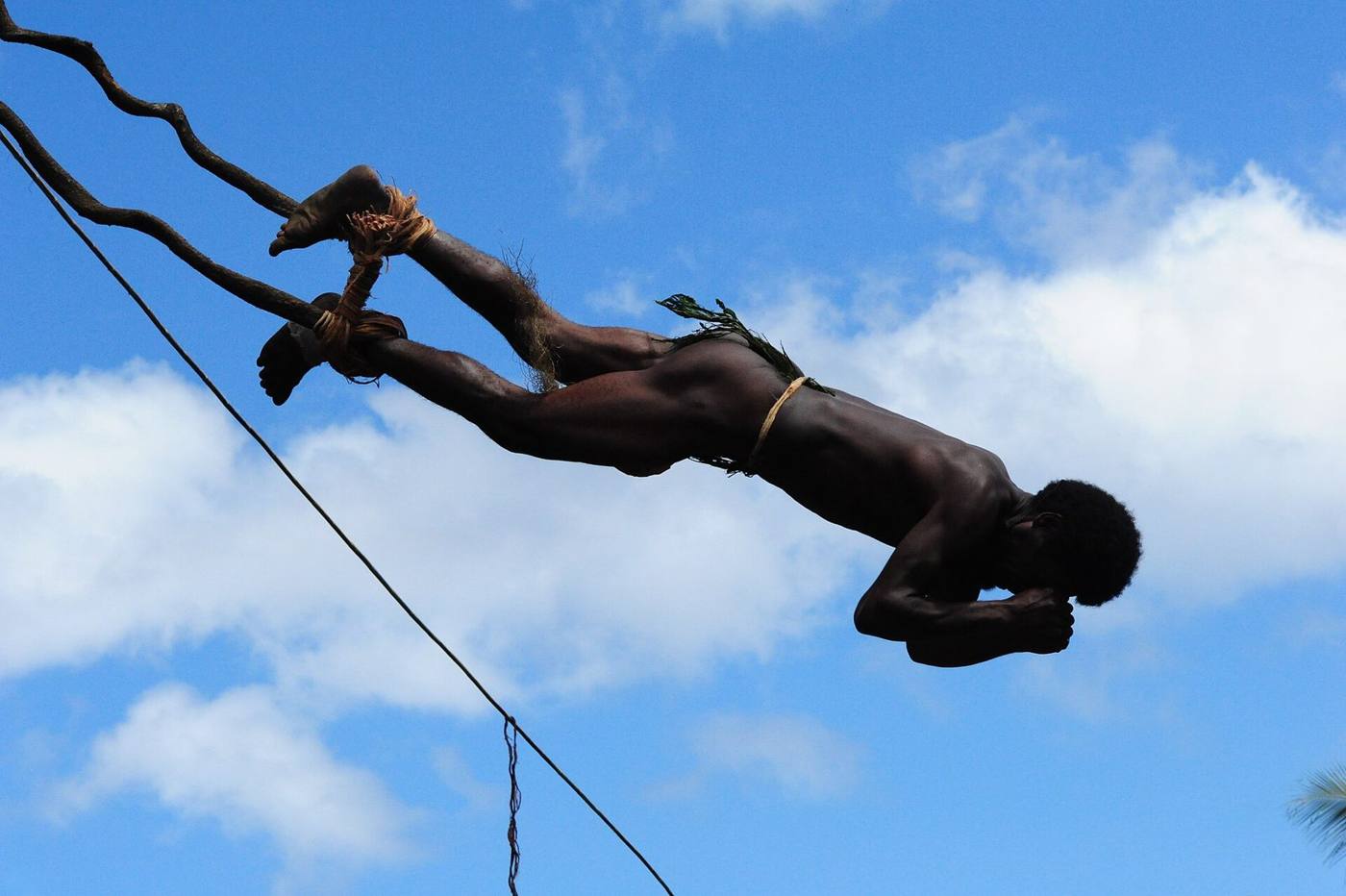
The Nagol of Pentecost
The ritual leap from the wooden towers of south Pentecost, tied only by vines to the ankles: a ceremony linked to the yam harvest, ancestor of bungee jumping.
 4 daysChallenging
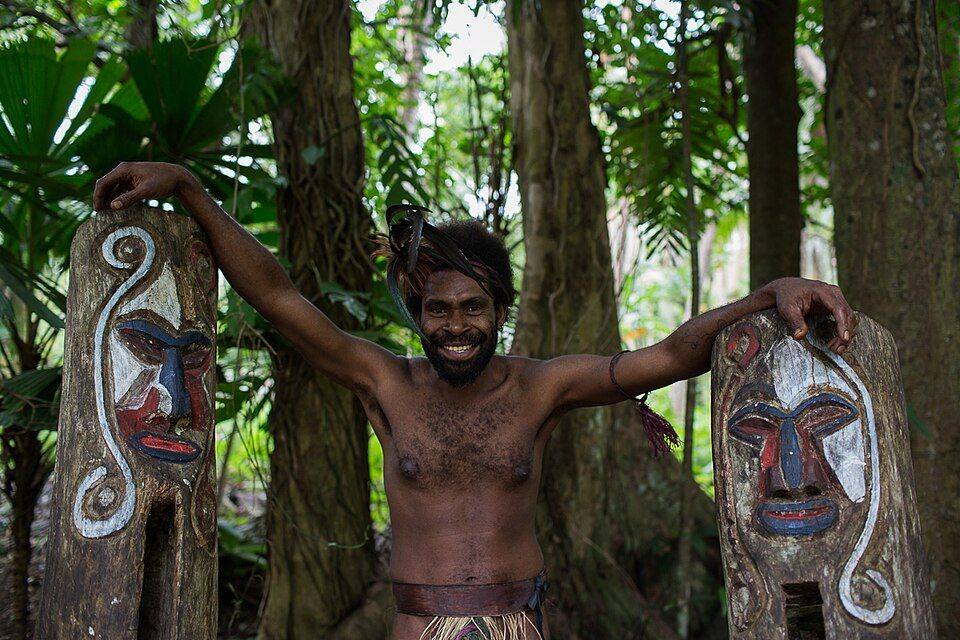
Malekula and the Nambas
The country's second island, one of the least visited: the kastom villages of the Small Nambas and Big Nambas, traditional dances, forest and the Maskelyne islands with their lagoon.
 2 daysEasy
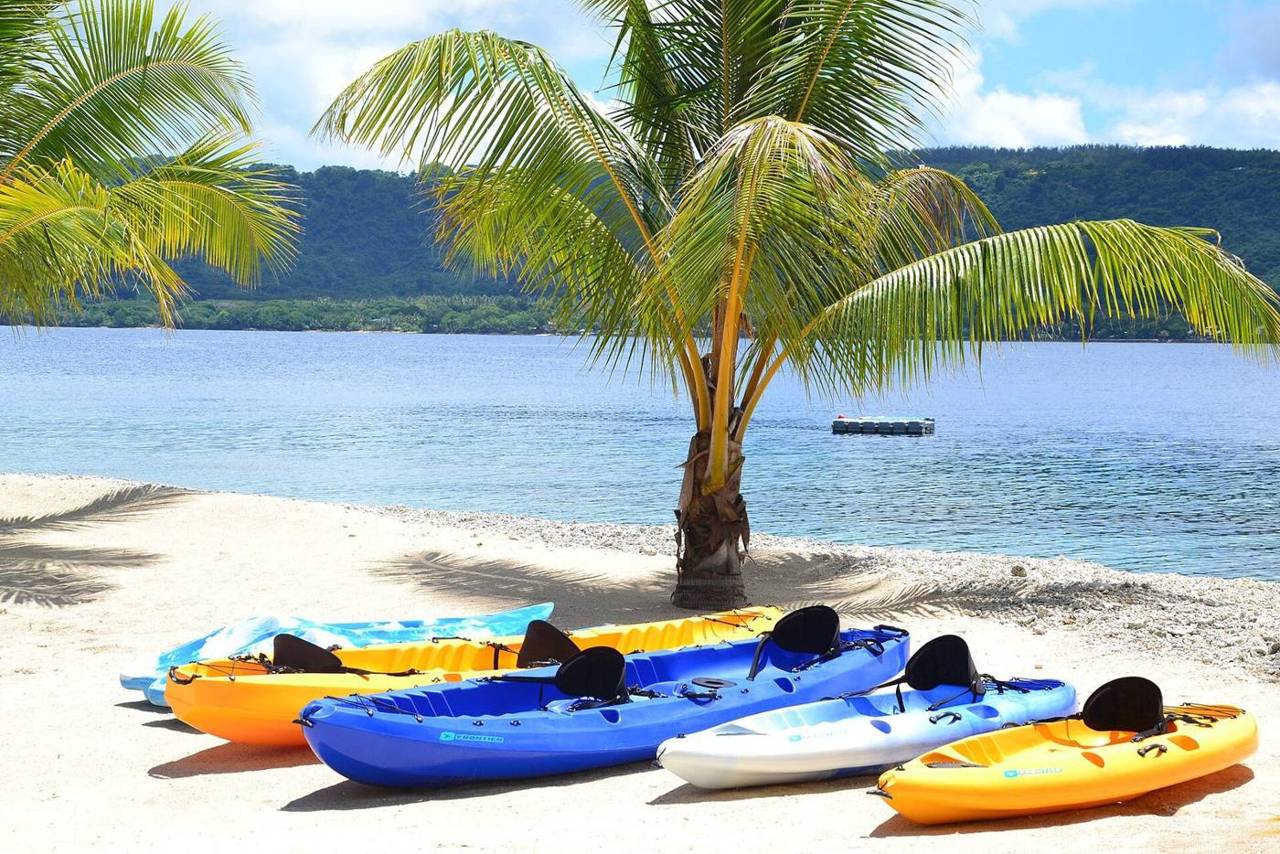
Around Efate
The coast road around the capital's island: the Blue Lagoon, Eton beach, the northern villages, Havannah Harbour and the underwater post office of Hideaway Island.