Chimanimani
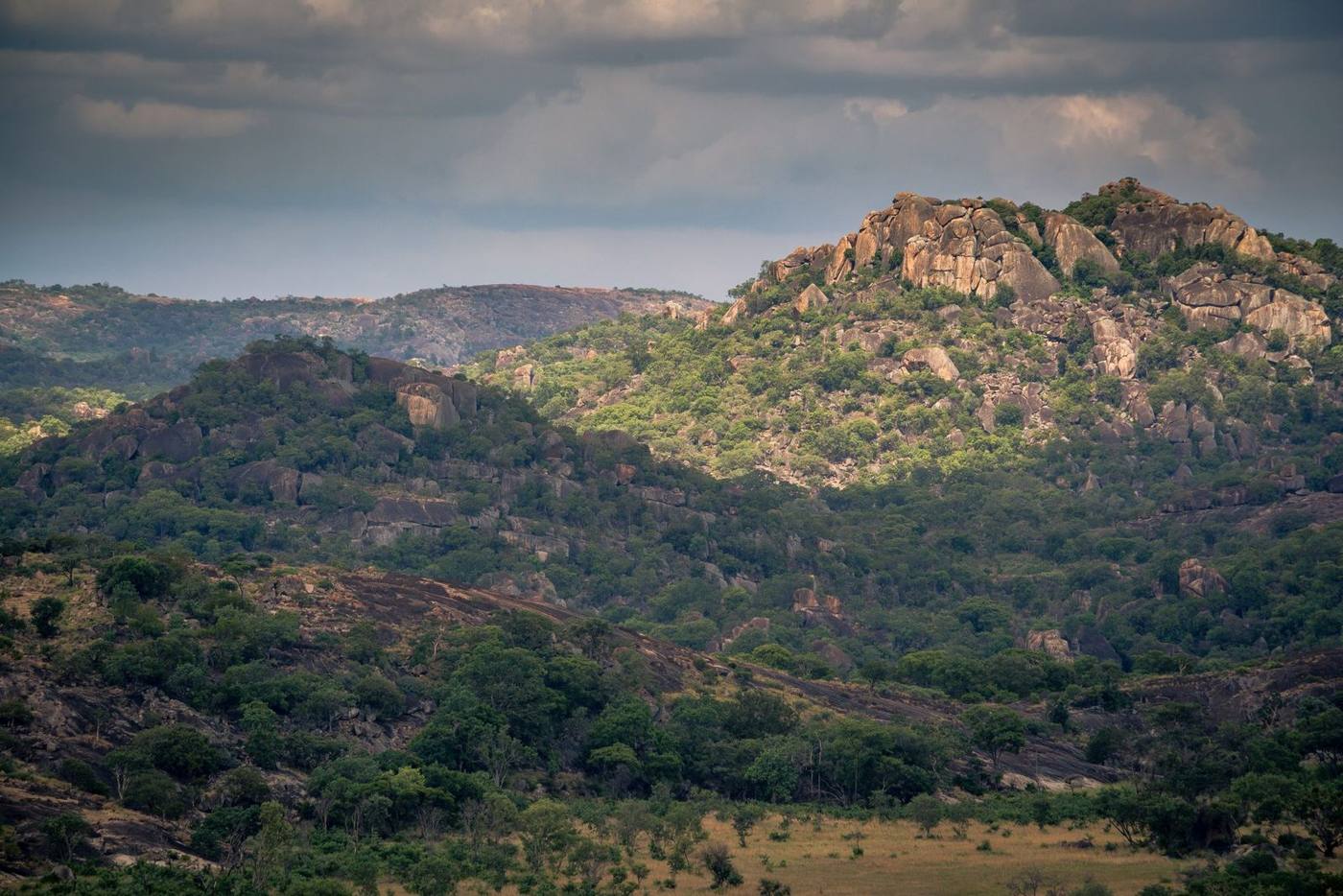
The quartzite mountains of Chimanimani, with trails, natural pools, caves to sleep in and views over Mozambique.
- Mutare
- Chimanimani
- Bridal Veil Falls
Day by day
- Day 1
From Mutare to Chimanimani
This four-day trip takes you to the quartzite mountains of Chimanimani, in Zimbabwe's Eastern Highlands, on the border with Mozambique. You walk across high grasslands, clear rivers with natural pools and caves where you can sleep, and you finish at Bridal Veil Falls.
Before you go: Italian citizens need a visa and a passport valid for at least six months, with blank pages. Viaggiare Sicuri says you must complete the arrival forms online before departure, on the official portal evisa.gov.zw. According to the British government, the KAZA Univisa, valid for Zimbabwe and Zambia, is issued at Harare, Bulawayo and Victoria Falls airports and at the Victoria Falls and Kazungula borders. Other nationalities should check their own rules. Viaggiare Sicuri reports political tension, theft and roads in poor condition: avoid demonstrations and do not travel at night. Some areas on this trip are close to borders or places where the situation changes often: check your government's travel advice before booking and again before you leave. Viaggiare Sicuri also points out that in the rainy season Manicaland can be hit by cyclones.
Leave from Mutare, the main town of the Eastern Highlands, and travel south in daylight. The road runs through hills, eucalyptus plantations and villages, then climbs towards the mountains. The drive takes a few hours: it is better with a local driver.
You arrive in the small village of Chimanimani in the afternoon. From here you see the grey, rocky walls of the range closing the horizon. Find a local guide for the following days and pack your rucksack.
Practical tip: buy water, food and gas for the stove in Mutare. In the village the choice is limited and fuel can run short.
- Day 2
Climbing into the park and the Bundi
Early in the morning reach the entrance of Chimanimani National Park, where you register your names and pay the permit: check prices and times. From here the climb on foot begins, because there are no roads in the park.
The path climbs steeply among rocks and bushes, with stretches where you also use your hands. After a few hours you reach a large grassy plateau crossed by the Bundi River. The water is clear and cold and forms natural pools among the white quartzite rocks. The mountains around have strange shapes, carved by wind and rain.
Cyclone Idai in 2019 damaged the area and some paths have changed: this is why a local guide is very useful. They know the passages, the water sources and the shelters.
At night you sleep in the park's mountain hut or in one of the caves used by hikers, in your sleeping bag. The sky is dark and the stars are dense. It is cold at night, even in summer, and in the driest months the temperature can drop close to freezing. Eat something hot, change into dry clothes and keep your head torch next to your sleeping bag.
Practical tip: bring a warm sleeping bag, a waterproof jacket and a filter or tablets for the water. River water looks clean, but it is always better to treat it before drinking.
- Day 3
The valleys and views over Mozambique
Today you explore the plateau at a gentle pace. With the guide you follow the river, cross grasslands full of mountain flowers and climb towards the ridges. From some points you see the plains of Mozambique stretching east, green and distant.
The border runs right along the mountains and is not always marked on the ground. The highest peak of the range is also here, dominating the valleys around. Stay on the Zimbabwe side and follow your guide: crossing without permission is illegal and risky.
During the day stop at the natural pools for a swim in the cold water, if you feel like it. Look for small mountain antelopes and baboons on the rocks, and watch the eagles flying above the cliffs.
In the afternoon return to the hut or the cave before the mist comes down. In the mountains the weather changes fast: a clear day can turn grey in half an hour.
In the evening cook on the stove, have a hot drink and go to bed early: tomorrow you go down. Carry out all your rubbish, even small items, because there are no bins in the park.
Practical tip: never walk alone and always tell the guide or the hut where you are going. If the mist comes in, stop and wait rather than search for the path.
- Day 4
Bridal Veil Falls and return
In the morning come down from the plateau slowly, because the rocks are slippery on the descent. At the park entrance sign out in the register.
Then reach Bridal Veil Falls, a few kilometres from Chimanimani village. The water falls thin and white down a rock face, like a bridal veil, in the middle of a cool wood. It is a quiet place to rest your legs after the trek. Check prices and times at the entrance.
In the afternoon set off back to Mutare, in daylight. In Mutare you find places to stay, a better choice of shops and connections to Harare or to Nyanga, further north.
In four days you have done one of the finest walks in southern Africa, still little known: the quartzite mountains, the Bundi River with its pools, the nights in a hut or a cave and the views over Mozambique. After Cyclone Idai some paths have changed: with a local guide you walk with more peace of mind and support families in the area.
When to go: from May to October, in the dry season, the sky is clearer and the paths are dry. The nights are cold, especially in June and July. From November to March it rains a lot and there can be cyclones.
Practical tip: keep a spare day before your flight. Mountain roads are slow and a delay is always possible.
One of southern Africa's finest hikes, still little known. Cyclone Idai in 2019 damaged the area: some trails have changed. Better with a local guide.
Before you go
- Documents and visa
- Passport valid for at least six months, with blank pages, and a visa is compulsory. Before departure complete the arrival forms online on the official portal evisa.gov.zw, where you can also apply for an eVisa. The KAZA Univisa, valid for Zimbabwe and Zambia and for day trips into Botswana from Kazungula, is issued at Harare, Bulawayo and Victoria Falls airports and at the Victoria Falls and Kazungula borders. To drive you need an international driving permit.
- Health and vaccines
- There is seasonal malaria in the lowlands, especially from January to April: ask your doctor about prevention. The lowlands also have tsetse fly. A yellow fever certificate is required if you arrive from a country at risk. Drink only bottled water. Emergencies: 112.
- Money and payments
- The US dollar is the main currency in use; the official currency is the ZiG, used only inside the country. Withdrawing dollars is difficult: bring small notes in good condition. You cannot leave the country with more than 2,000 US dollars in cash.
- Power sockets
- Type D and type G, 220 volts: bring a universal adapter.
- Time zone
- UTC+2 all year.
- Safety
- The country is going through a period of political tension: avoid crowds and demonstrations and do not photograph police or protests. Theft, bag snatching and robberies of stationary vehicles are common, especially in cities and after dark. Roads are often in poor condition, with potholes and animals: do not drive at night. Fuel is sometimes unavailable and power cuts can be long. In the rainy season the east and south can be hit by cyclones. For walking and canoe safaris choose licensed guides and always keep your distance from animals. Official advice: GOV.UK.
Information checked in November 2026 for Italian and EU citizens. Rules change: always check before you travel.
Variations
In three days spend a single night on the Bundi plateau.
With seven days add Nyanga, Mount Nyangani and the Mutarazi Falls.
Frequently asked questions
Do you need a guide in Chimanimani?
It is not always compulsory, but it is strongly recommended. After Cyclone Idai some paths have changed and the border with Mozambique is not always marked.
What equipment do you need?
Hiking shoes, a warm sleeping bag, a waterproof jacket, a stove, food for every day and a way to treat water.
Is the trek difficult?
The initial climb is steep and tiring. On the plateau the walks are easier, but you need to be fit and have some mountain experience.
Indicative itinerary written by World Atlas. Before booking, check timetables, seasonal openings, documents and safety.
 3 daysChallenging
Rafting on the Zambezi
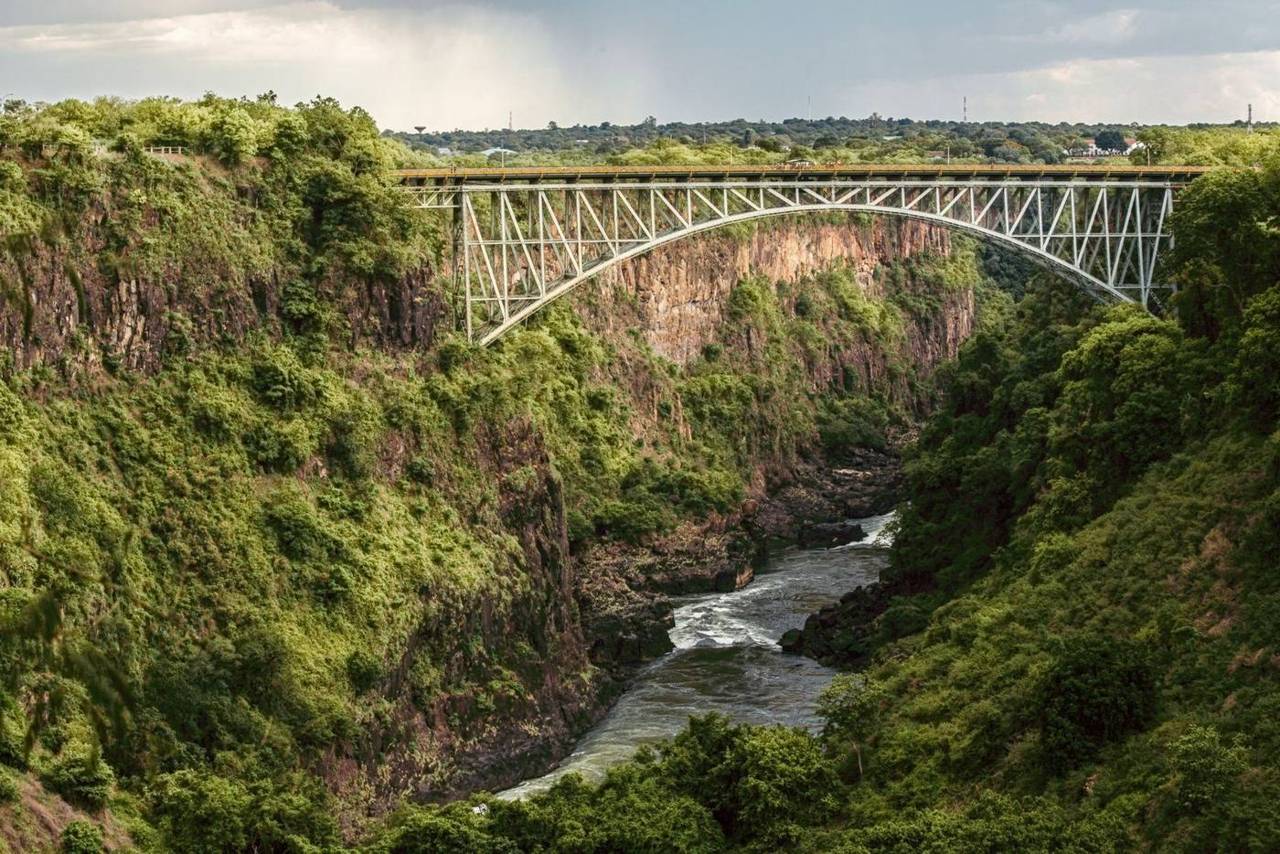
The rapids of the Batoka gorges below Victoria Falls, among the world's most famous, with a day of rafting and one of bungee jumping or a flight over the gorges.
 4 daysModerate
Matusadona
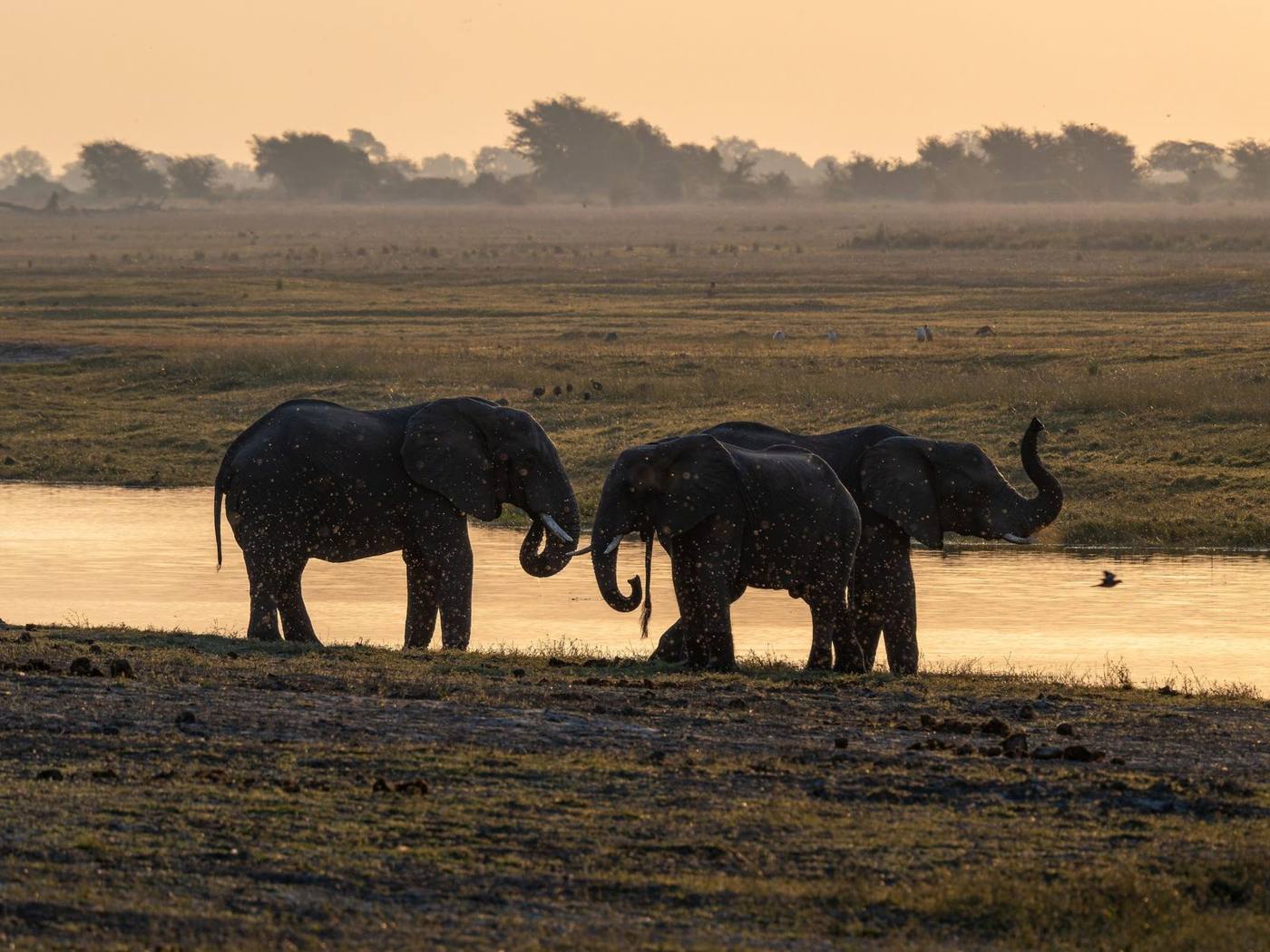
The park on the southern shore of Lake Kariba, reached by boat, with walking and boat safaris, lions, elephants on the shores and dead trees in the water.
 2 daysEasy
Harare and Shona sculpture
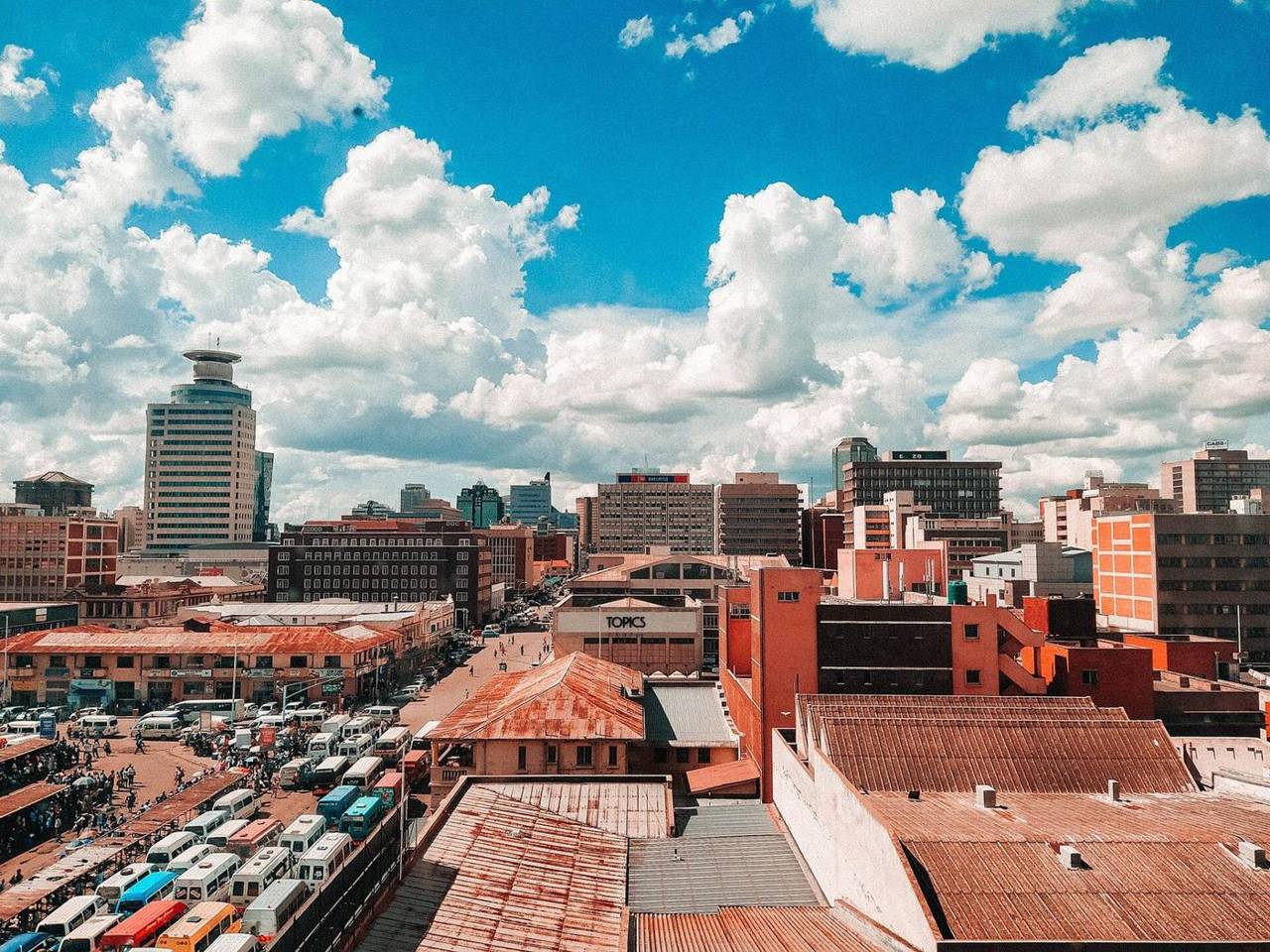
The green jacaranda capital: the National Gallery, the Chapungu sculpture garden, Mbare market and the Mukuvisi woodland.