Gonarezhou
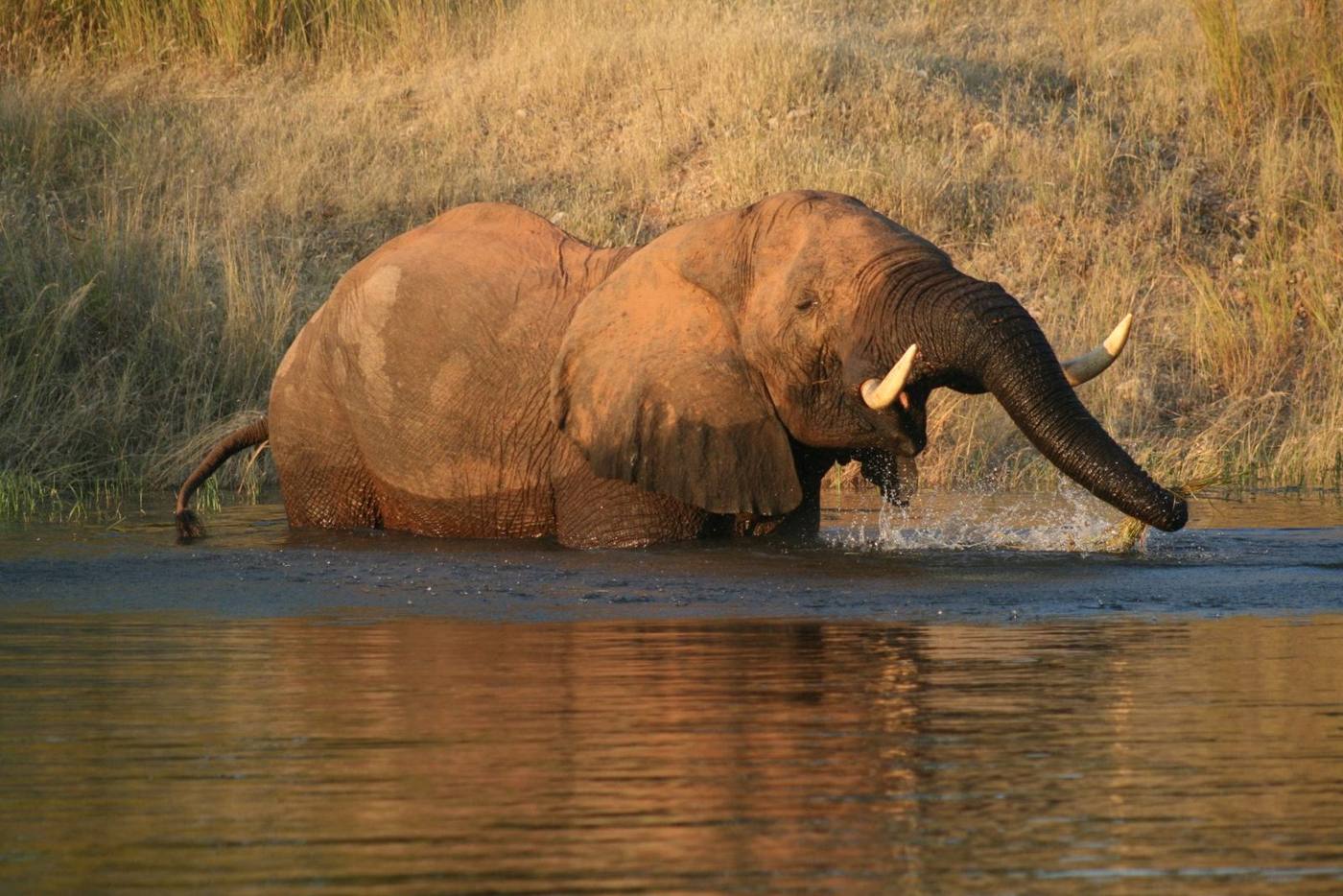
The 'place of elephants' in the south-east: the red Chilojo cliffs above the Runde river, large elephant herds and almost empty landscapes.
- Masvingo
- Chipinda Pools
- Chilojo
Day by day
- Day 1
From Masvingo to Chipinda Pools
This five-day trip takes you to Gonarezhou, whose name means place of elephants, in the south-east of Zimbabwe. You see the red Chilojo Cliffs above the Runde River, great herds of elephants and almost empty landscapes.
Before you go: Italian citizens need a visa and a passport valid for at least six months, with blank pages. Viaggiare Sicuri says you must complete the arrival forms online before departure, on the official portal evisa.gov.zw. According to the British government, the KAZA Univisa, valid for Zimbabwe and Zambia, is issued at Harare, Bulawayo and Victoria Falls airports and at the Victoria Falls and Kazungula borders. Other nationalities should check their own rules. Viaggiare Sicuri reports political tension, theft and roads in poor condition: avoid demonstrations and do not travel at night. Some areas on this trip are close to borders or places where the situation changes often: check your government's travel advice before booking and again before you leave. The park is in the lowveld, a malaria and tsetse fly area: ask your doctor about prevention.
Leave Masvingo early and travel south-east in daylight. The road drops to the lowveld, hotter and drier, among baobabs and sugar cane fields. Fill up in the last town before the park: inside you find nothing.
In the afternoon you reach Chipinda Pools, the park headquarters on the Runde River, where you register and pay the permits: check prices and times. Pitch your tent or settle into the camp and watch the river at sunset, when antelopes and baboons come down to drink.
Practical tip: bring spare wheels, tools, water for several days and a satellite phone or radio if you travel alone. Phone signal is poor in the park.
- Day 2
Safari along the Runde
Today you explore the tracks along the Runde River. Set off at dawn, when the animals are most active and the light is soft. The river flows wide and sandy between tall acacia and fig trees, and in the dry season pools remain where everyone drinks.
Gonarezhou's elephants are many, but wary: in the past they suffered from hunting and poaching and can react nervously. If an elephant raises its ears, shakes its head or moves towards you, stop, turn off any music and move away calmly. Always keep a wide distance and leave the vehicle an escape route.
Along the river you also see buffalo, kudu, nyala, hippos in the pools and crocodiles on the sand. There are countless birds, from fish eagles to kingfishers. In the cool hours look for tracks in the sand too: the guide or a good book helps you recognise who passed by in the night.
At midday rest in the shade at camp, when the lowveld heat becomes strong. In the afternoon go out again for a shorter drive and return before dark. In the evening, at camp, listen to the river and note down the animals you have seen: the list grows fast.
Practical tip: drive slowly on the tracks and never leave the marked roads. Park rules generally forbid off-road and night driving, and it is easy to get stuck in the sand.
- Day 3
The Chilojo Cliffs
Today is the day of the Chilojo Cliffs, the symbol of the park. They are walls of red and orange sandstone rising high above the Runde River, several kilometres long, changing colour with the light. The track follows the river and reaches viewpoints where you see the cliffs reflected in the water and the green valley at their feet.
Arrive early in the morning or in the late afternoon, when the sun colours the rocks a deep red. Below the cliffs, on the river sand, you often see groups of elephants walking in line and digging in the sand to find water.
If you stop at a viewpoint, get out of the vehicle only in permitted areas and look around first. In this park the animals roam freely and are not used to people. Do not go near the edge of the cliffs: the rock can crumble.
Have lunch in the shade of a large tree, looking at the river, and rest in the hot hours. Use the break to check the vehicle, the tyres and your water supply. In the afternoon explore the nearby plains, home to zebras, giraffes and, sometimes, lions and painted dogs. Return to camp before sunset and watch the cliffs turn purple in the last light.
Practical tip: carry plenty of water, at least four litres each per day. In the lowveld the heat is strong even in the dry months.
- Day 4
Camping on the river
Today you move to one of the river campsites, small isolated clearings along the Runde, with few or no facilities. It is the truest way to experience Gonarezhou: you are alone, with the river in front and the savannah around. Pitches are booked in advance with the park authority: check prices and times.
On the way take a slow safari. Stop at the pools, turn off the engine and wait: the animals come if you stay quiet. Before leaving, check with the park staff on the state of the tracks and river crossings, which change after every rainy season.
At camp pitch your tent before sunset and cook dinner on the fire. At night you hear hippos coming out to graze, hyenas calling and sometimes lions. Stay close to the tent and do not walk outside the camp in the dark.
Do not leave food or rubbish outside: it attracts hyenas, baboons and other animals. Keep everything closed in the vehicle overnight.
Before you sleep look at the sky: far from any town, the Milky Way crosses the whole horizon. Put out the fire with water before going to bed.
Practical tip: always keep a powerful torch beside you and look around before you leave the tent. If you have to get up at night, light up the area first.
- Day 5
Return
Get up at dawn and take a last drive on the tracks near the river, when the animals come back to drink. Then strike camp, take away all your rubbish and set off back in daylight.
At the park exit sign the register. The road climbs back to the highveld and Masvingo, where you find places to stay, fuel and shops. Stop for a proper lunch and a hot shower after the days of camping. If you have time, visit Great Zimbabwe, not far from the town, with its great stone walls built centuries ago.
In five days you have seen one of the most beautiful and least visited parks in southern Africa: the Runde River with its pools, the red Chilojo Cliffs, the great herds of elephants and the nights camping under a sky full of stars. Here you need a well-equipped 4x4 or an organised camp with a guide.
When to go: from May to October, in the dry season, the animals gather near the river and the tracks are passable. From November to April it rains, some roads become impassable and the malaria risk rises; in the rainy season the south-east can be hit by cyclones.
Practical tip: have the tyres and filters of the vehicle checked after so many days of sand and dust. To drive in Zimbabwe you need an international driving permit.
One of southern Africa's most beautiful and least visited parks. The elephants here are wary: keep your distance. A well-equipped 4x4 or an organised camp is needed.
Before you go
- Documents and visa
- Passport valid for at least six months, with blank pages, and a visa is compulsory. Before departure complete the arrival forms online on the official portal evisa.gov.zw, where you can also apply for an eVisa. The KAZA Univisa, valid for Zimbabwe and Zambia and for day trips into Botswana from Kazungula, is issued at Harare, Bulawayo and Victoria Falls airports and at the Victoria Falls and Kazungula borders. To drive you need an international driving permit.
- Health and vaccines
- There is seasonal malaria in the lowlands, especially from January to April: ask your doctor about prevention. The lowlands also have tsetse fly. A yellow fever certificate is required if you arrive from a country at risk. Drink only bottled water. Emergencies: 112.
- Money and payments
- The US dollar is the main currency in use; the official currency is the ZiG, used only inside the country. Withdrawing dollars is difficult: bring small notes in good condition. You cannot leave the country with more than 2,000 US dollars in cash.
- Power sockets
- Type D and type G, 220 volts: bring a universal adapter.
- Time zone
- UTC+2 all year.
- Safety
- The country is going through a period of political tension: avoid crowds and demonstrations and do not photograph police or protests. Theft, bag snatching and robberies of stationary vehicles are common, especially in cities and after dark. Roads are often in poor condition, with potholes and animals: do not drive at night. Fuel is sometimes unavailable and power cuts can be long. In the rainy season the east and south can be hit by cyclones. For walking and canoe safaris choose licensed guides and always keep your distance from animals. Official advice: GOV.UK.
Information checked in November 2026 for Italian and EU citizens. Rules change: always check before you travel.
Variations
In four days keep Chipinda Pools and the Chilojo Cliffs.
With eight days add Great Zimbabwe and Masvingo on the way in.
Frequently asked questions
Can you visit Gonarezhou without a 4x4?
It is difficult. The tracks are sand and earth, with rivers to ford. You need a well-equipped 4x4 or an organised camp with a guide.
Are Gonarezhou's elephants dangerous?
They are wary and can react nervously. Always keep a wide distance, do not block their way and move off calmly if they show signs of unease.
Are there shops in the park?
No. Bring fuel, water, food and everything you need for the whole stay from outside.
Indicative itinerary written by World Atlas. Before booking, check timetables, seasonal openings, documents and safety.
 4 daysEasy
Nyanga and the Eastern Highlands
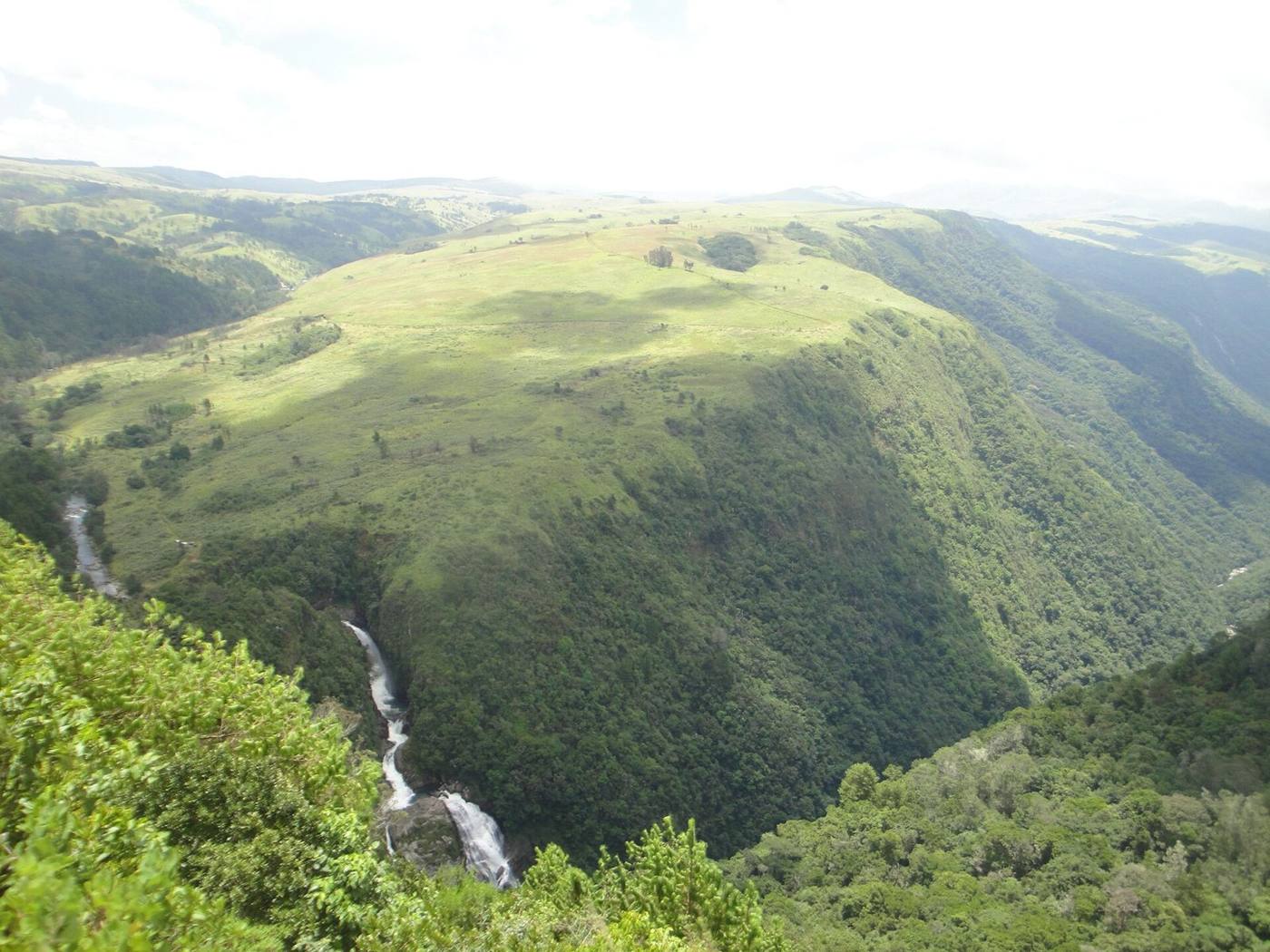
The green mountains on the Mozambique border: Mount Nyangani, the Mutarazi falls among Africa's tallest, the Honde valley and the tea plantations.
 4 daysModerate
Chimanimani
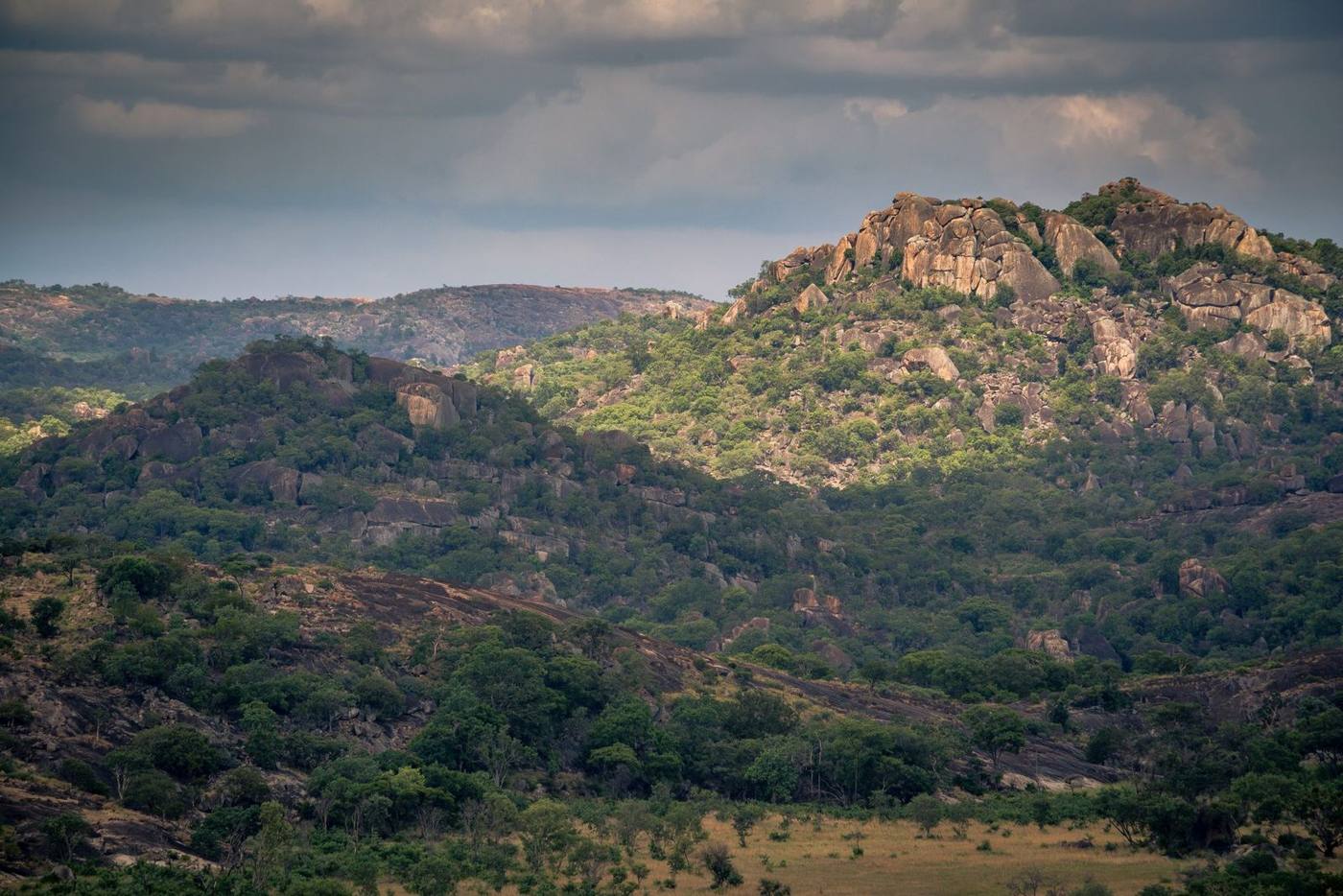
The quartzite mountains of Chimanimani, with trails, natural pools, caves to sleep in and views over Mozambique.
 3 daysChallenging
Rafting on the Zambezi
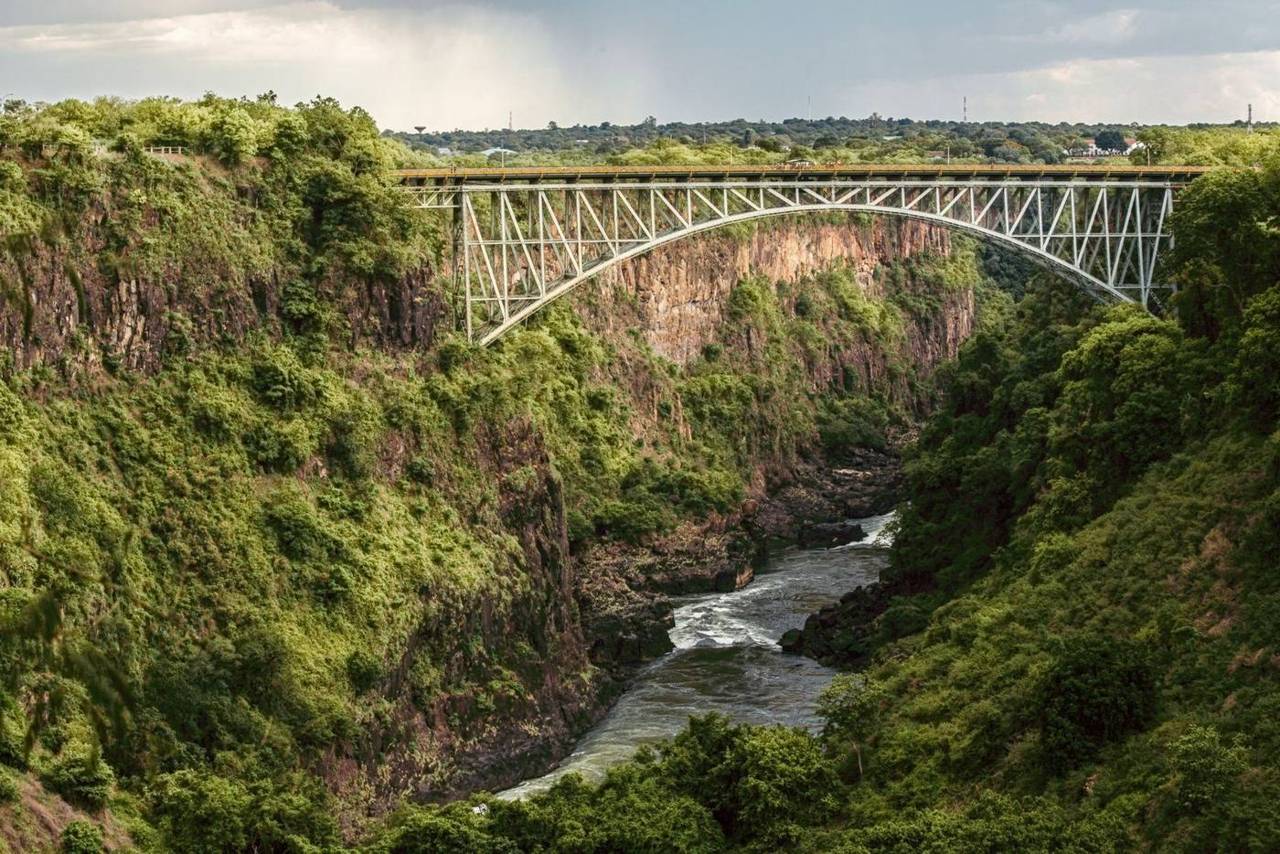
The rapids of the Batoka gorges below Victoria Falls, among the world's most famous, with a day of rafting and one of bungee jumping or a flight over the gorges.