The Karpas peninsula
The 'panhandle' of Cyprus in the north: wild donkeys, Golden Beach where turtles nest, the Apostolos Andreas monastery and abandoned churches.
- Famagosta
- Kantara
- Dipkarpaz
- Golden Beach
- Apostolos Andreas
Day by day
- Day 1
Crossing to the north, Famagusta and Kantara Castle
This trip takes you to the Karpas peninsula, the long "panhandle" of Cyprus: quiet villages, abandoned churches, wild donkeys, golden dunes and the monastery of Apostolos Andreas. It lies in the north of the island, in the area not controlled by the government of the Republic of Cyprus. You start from Larnaca by rental car.
Before you go: Italian citizens can enter Cyprus with an electronic identity card or a passport. Cyprus is in the EU but not in the Schengen area, so documents are checked on arrival. Other nationalities should check their own rules. Arrive through Larnaca or Paphos airports, not Ercan. You drive on the left. Cross to the north only at official crossing points, with your document and separate car insurance, sold at some crossings: ask the rental company first whether the car may go north. There are no Italian consular offices in the north and consular help is limited. Do not photograph military areas or vehicles. The Turkish lira is used in the north.
From Larnaca drive east for about fifty minutes to the Deryneia crossing, then a few minutes on to Famagusta. Walk within the Venetian walls to Othello's Tower by the harbour. In the centre of the old town stands the former Gothic cathedral of St Nicholas, where the Lusignan kings were crowned kings of Jerusalem, now the Lala Mustafa Pasha Mosque. Go in with shoulders and knees covered, outside prayer times.
In the afternoon drive up for about three quarters of an hour to Kantara Castle, in the Pentadaktylos mountains. Its medieval towers and walls look out over two seas, to the north and south. Check prices and times. Then sleep in the Dipkarpaz area.
Practical tip: keep the insurance papers for the north and your identity document in the glovebox; you need them again at the crossing on the way back.
- Day 2
Dipkarpaz and the churches of Agia Triada and Agios Philon
Today you explore the heart of the peninsula, around Dipkarpaz, the largest village in the Karpas, called Rizokarpaso in Greek. A small Greek Cypriot community still lives here, having stayed after the division of the island in 1974. The village is spread out among vegetable gardens, olive and carob trees, with the large Orthodox church and the mosque close together.
In the morning go to the basilica of Agia Triada, near the village of Sipahi, a few kilometres to the south-west. These are the ruins of a fifth-century early Christian church, with broken columns and a large mosaic floor with geometric patterns and Greek inscriptions. The site is small and peaceful. Check prices and times.
In the afternoon drive down to the north coast, a few minutes from Dipkarpaz, to Agios Philon. A roofless medieval church rises near the sea, on the site of the ancient city of Karpasia, beside the remains of an older basilica with fragments of mosaic. Stones from the ancient city lie scattered around. The place is isolated, with the sound of the waves and goats grazing.
At sunset walk along the coast or through the fields around the village. The peninsula has almost no lights, and at night the sky is full of stars. Have dinner with village meze, seasonal vegetables, halloumi and the catch of the day.
Practical tip: petrol stations and cash machines are few on the peninsula; fill up and withdraw cash in Famagusta or Dipkarpaz.
- Day 3
Golden Beach, the wild donkeys and the monastery of Apostolos Andreas
Today you travel to the tip of the peninsula, the wildest part of Cyprus. The road crosses the Karpas national park, through scrub, rocks and small bays.
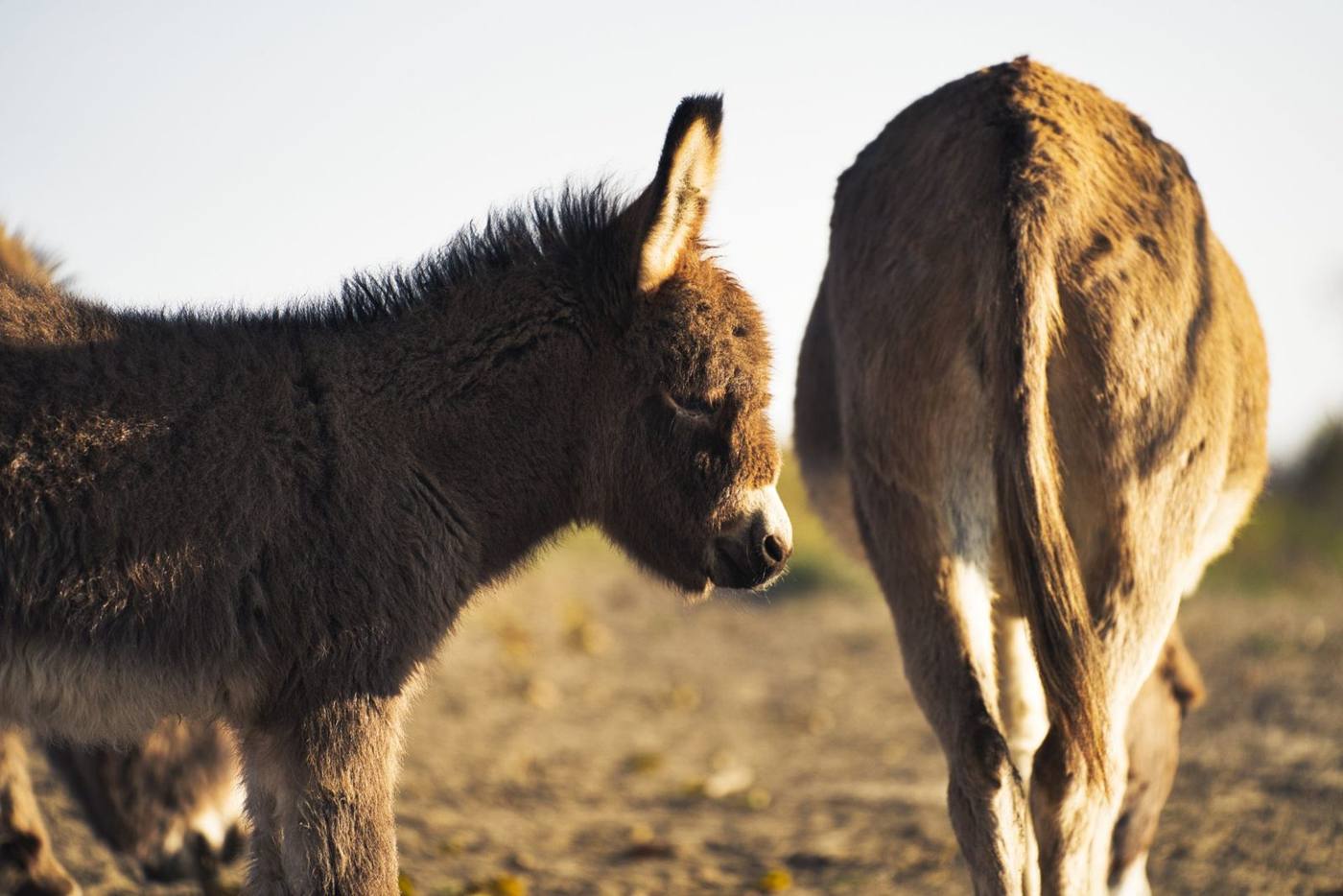
Along the way you meet the wild donkeys, descendants of working animals set loose after 1974. They come up to cars looking for food: watch them calmly, but do not feed them and do not get out among the herd, as they can bite or kick.
You reach Golden Beach, one of the finest beaches on the island: kilometres of golden sand with high dunes and clear water, with almost no buildings. In summer loggerhead and green turtles lay their eggs here. Respect the signs, do not put up umbrellas near marked nests and do not go onto the beach at night in the nesting season.
In the afternoon continue to the monastery of Apostolos Andreas, near the tip. It is an important place of pilgrimage for Greek Cypriots, linked to a spring that tradition connects with the apostle Andrew. The church has been restored in recent years. Go in with clothes covering shoulders and knees. A few kilometres further on the road ends at the cape, with small islands offshore and the open sea.
Sleep again in Dipkarpaz or in a simple bungalow by the beach.
Practical tip: bring water, a hat and something to eat; near Golden Beach and the tip there are few services, and they close early out of season.
- Day 4
Back towards Famagusta and the south
On the last day you leave the peninsula without hurrying. In the morning have a last swim in a bay on the south coast, more sheltered from the wind, or take a short walk among the olive trees around Dipkarpaz.
Then set off west along the peninsula road. After about an hour and a half you reach the Famagusta area. If you have time, stop at the ruins of Salamis, north of the town, the ancient city-kingdom with its theatre, the gymnasium with its columns and the large Roman baths. Check prices and times. Nearby is the monastery of St Barnabas, with a small icon museum.
Return to the south through the Deryneia crossing, with your document and insurance papers. From there it takes less than an hour to Larnaca airport.
Trip summary: in four days you crossed the Green Line, saw the walls of Famagusta and Kantara Castle, the early Christian churches of Agia Triada and Agios Philon around Dipkarpaz, the wild donkeys, the dunes of Golden Beach and the monastery of Apostolos Andreas at the tip of the island. It is the wildest part of Cyprus, with almost empty beaches and simple places to stay.
When to go: from May to October for the sea; June to August is turtle season, but it is very hot. In spring the peninsula is green and full of flowers, ideal for walking, with the water still cool.
Practical tip: allow extra time at the crossing on the way back, as queues can be long at weekends and on public holidays.
The island's wildest part, with almost empty beaches. It is in the north: the rules for crossing the Green Line and car insurance apply. Simple beach-bungalow accommodation.
Before you go
- Documents and visa
- EU citizens need a valid identity card or passport: Cyprus is in the EU but not in the Schengen area, so documents are checked on arrival. Enter only through Larnaca or Paphos airports or the ports of Limassol and Larnaca: arriving via Ercan airport or northern ports is illegal under the law of the Republic of Cyprus. Traffic drives on the left. Other nationalities should check their own rules.
- Health and vaccines
- No vaccines required. EU citizens can use public healthcare with their EHIC; insurance with medical cover and repatriation is still advised. Emergencies: 112.
- Money and payments
- Euro. Cards are accepted almost everywhere; carry some cash in mountain villages.
- Power sockets
- Type G, 240 volts: the same plugs as in the UK.
- Time zone
- Eastern European Time (UTC+2, summer UTC+3).
- Safety
- A safe country with low crime. The UN buffer zone divides the island: cross only at official crossing points, such as Ledra Street and Ledra Palace in Nicosia, showing an identity card or passport; crossing elsewhere is illegal and dangerous, partly because of minefields. Do not take photos in the buffer zone or near military sites. Cars hired in the south usually have no insurance cover in the north: buy separate cover, sold at some crossing points. Wildfire risk is high from April to October. Official advice: GOV.UK.
Information checked in November 2026 for Italian and EU citizens. Rules change: always check before you travel.
Variations
In 3 days: Famagusta, then straight to Golden Beach and Apostolos Andreas, without Kantara.
In 6 days: add a full day at Salamis and two beach days among the bays of the peninsula.
Frequently asked questions
Can I drive to the Karpas in a car hired in the south?
Only if the rental company allows it and with car insurance for the north, sold at some crossing points. Cross only at official crossing points, with an identity card or passport.
Is the north of Cyprus safe?
The area is calm, but the north is not controlled by the government of the Republic of Cyprus: there are no Italian consular offices and consular help is limited. Do not photograph military areas and check official travel advice before you go.
When can I see turtles at Golden Beach?
In summer, especially from June to August, when they lay their eggs. Respect the marked nests and do not go onto the beach at night in the nesting season.
Indicative itinerary written by World Atlas. Before booking, check timetables, seasonal openings, documents and safety.
 4 daysModerate
Diving the Zenobia
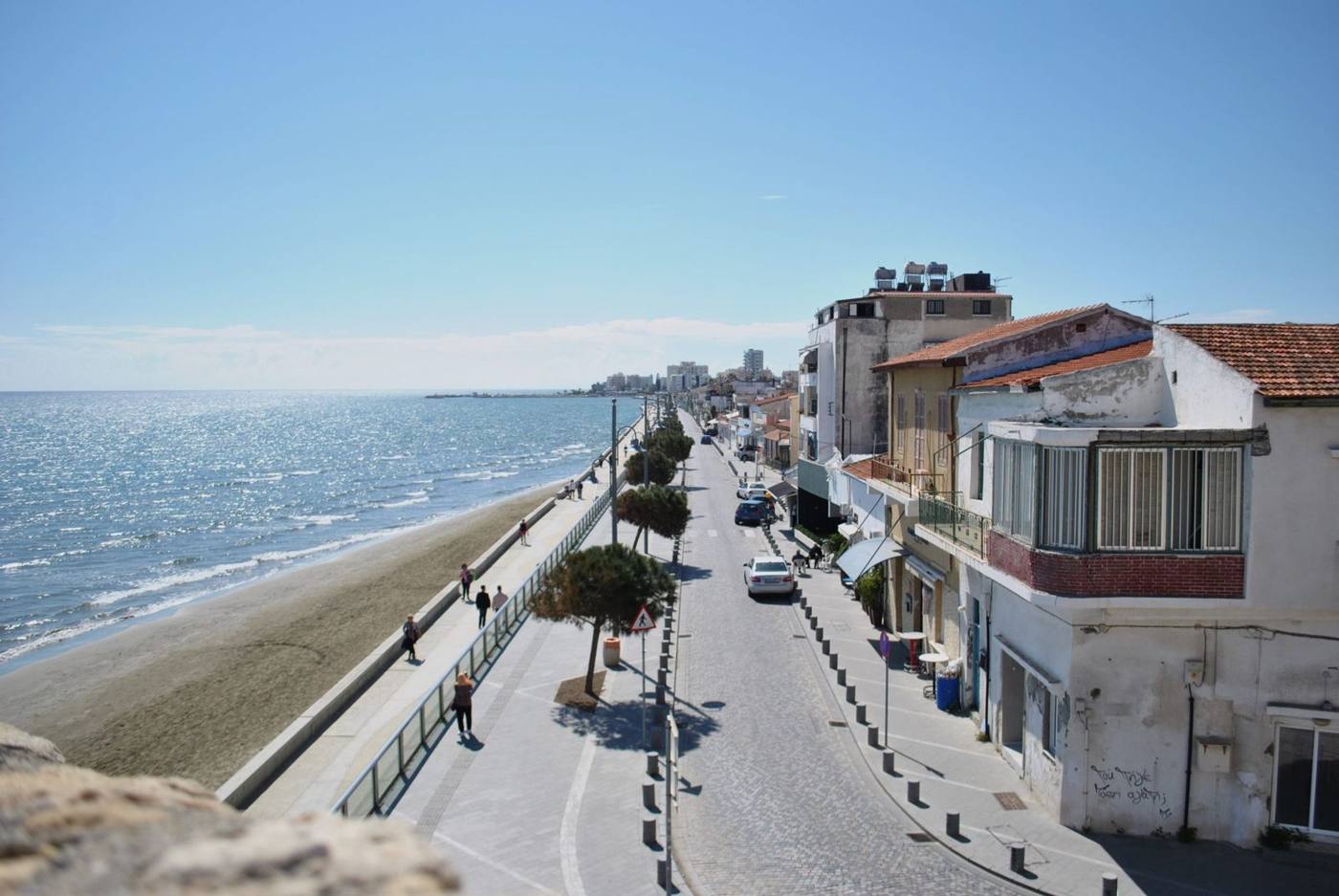
The Swedish ferry Zenobia, sunk in 1980 off Larnaca, one of the world's most famous wrecks, with trucks still in the hold, and the caves of Cape Greco.
 4 daysEasy
Easter and Orthodox villages
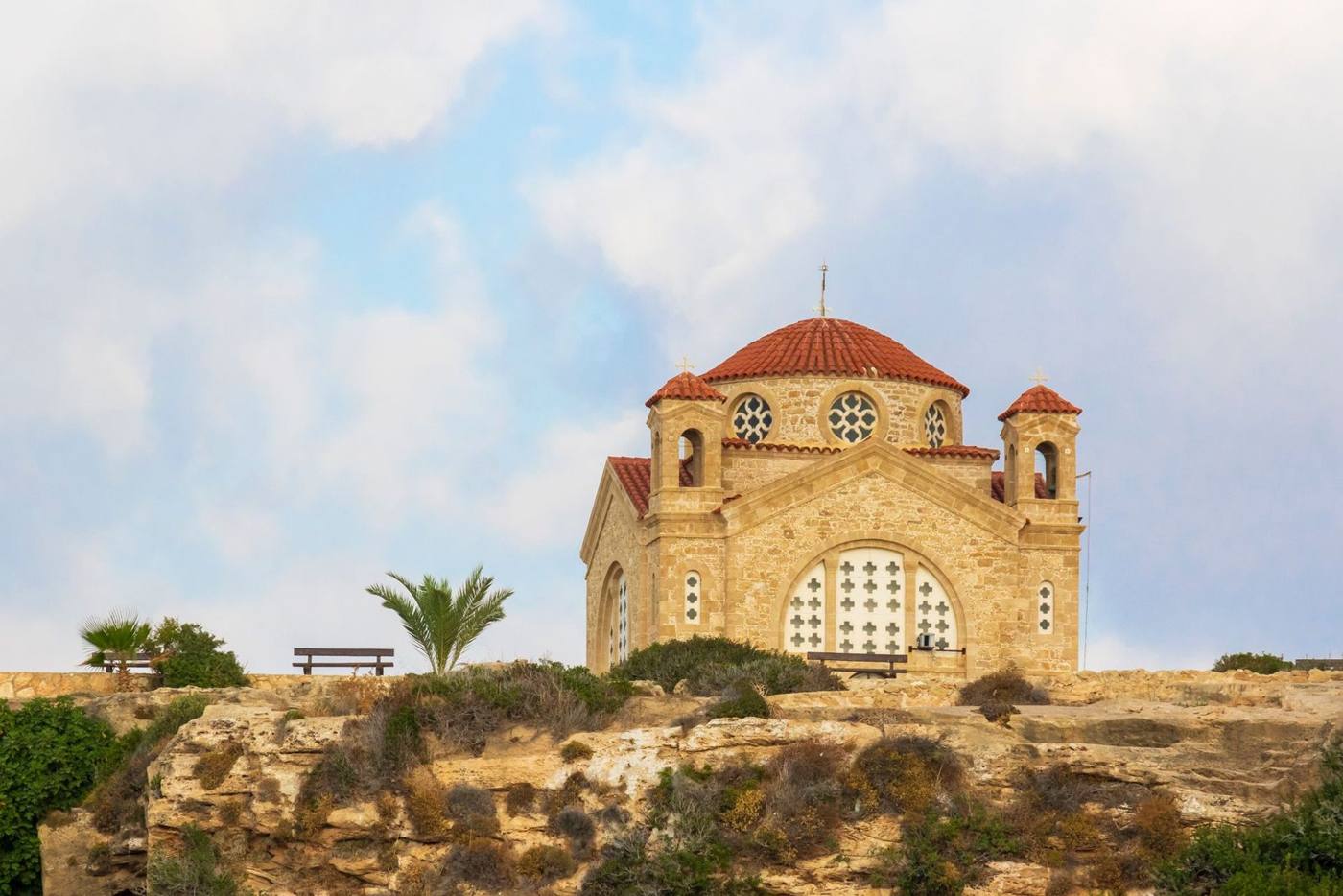
Orthodox Holy Week in the villages, the Easter-night bonfire, flaounes pastries and the fields of orchids and anemones of the Cypriot spring.
 3 daysEasy
Lefkara and Choirokoitia
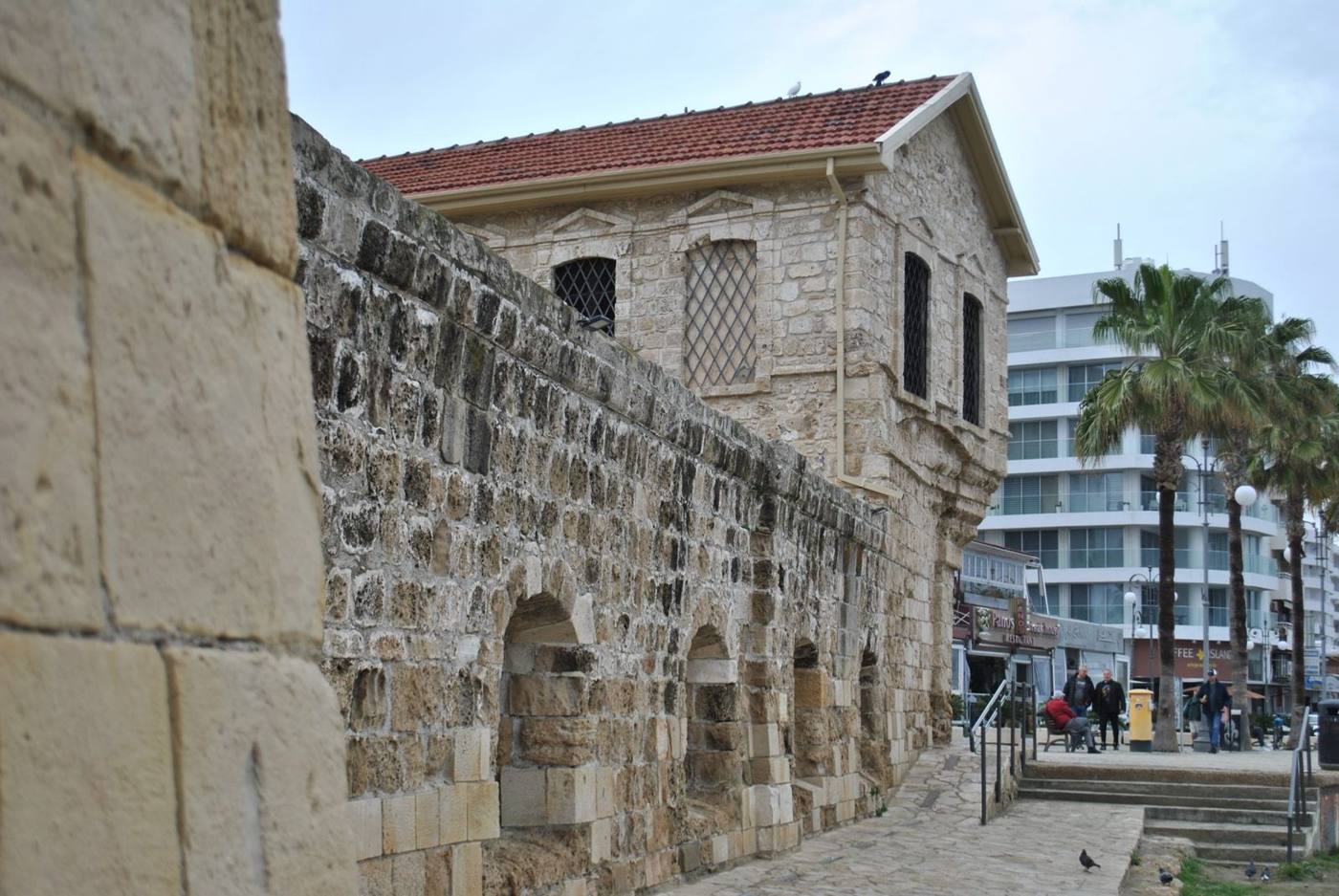
The lace and silver village of Lefkara, the UNESCO Neolithic settlement of Choirokoitia with its rebuilt round houses and Stavrovouni monastery.