 Brazil
Places not to miss
Rio de Janeiro
Christ the Redeemer.
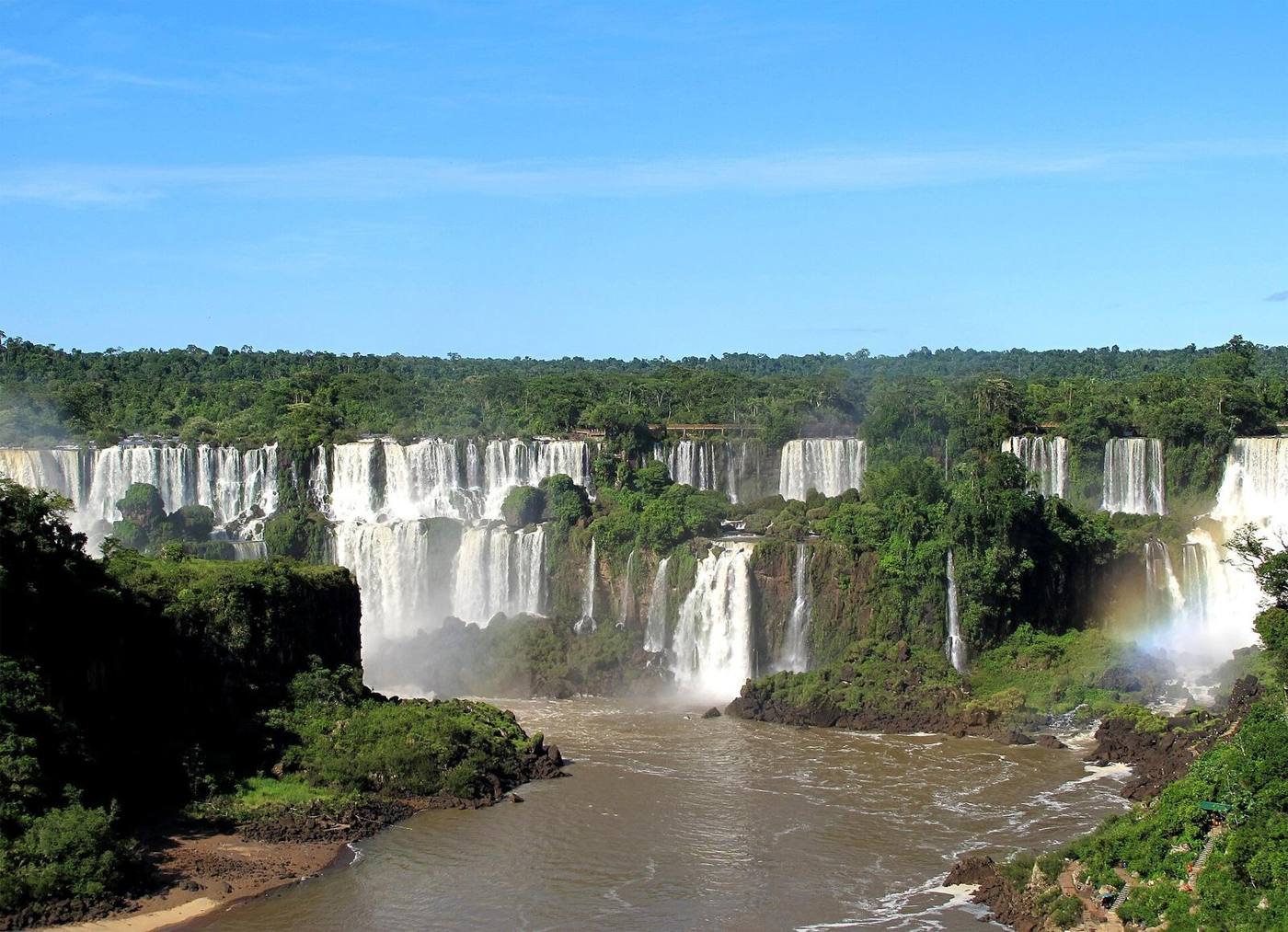
Iguaçu Falls
The Brazilian side.
Pantanal
Jaguars.
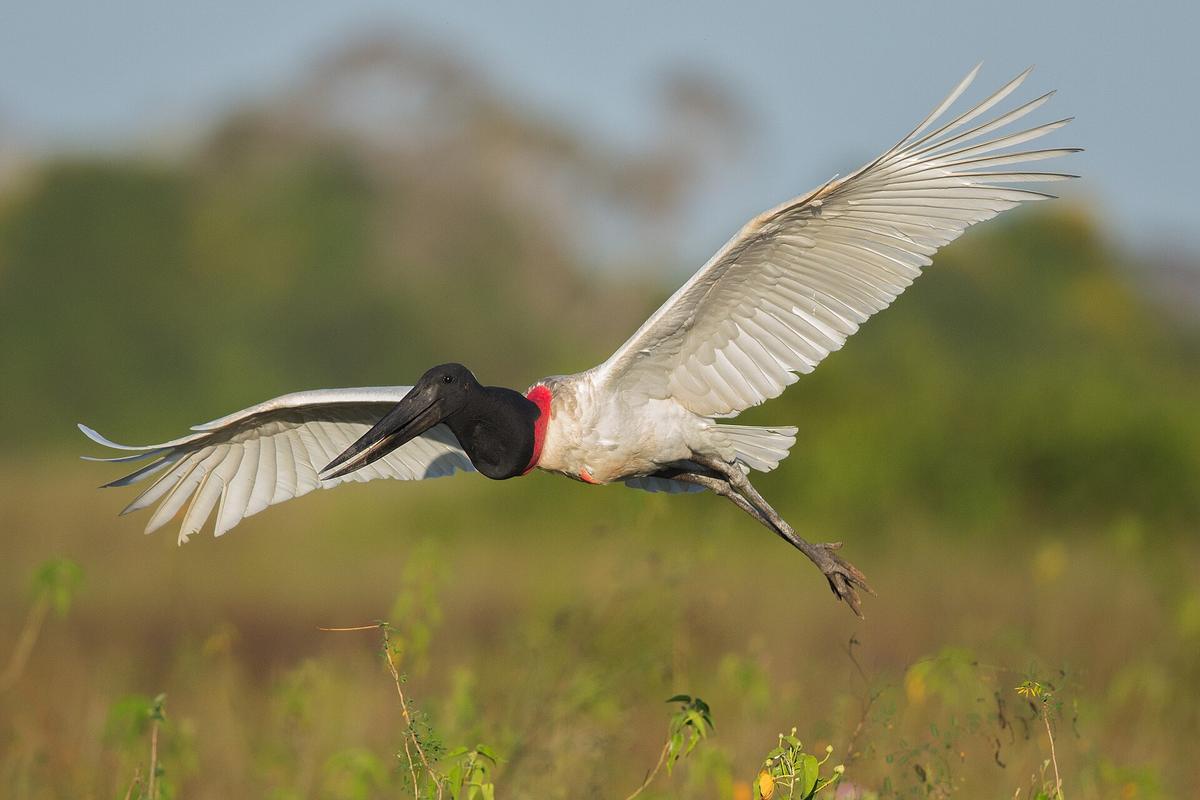
Photo: Andreas Trepte, CC BY-SA 4.0 Amazon
Manaus.
Lençóis Maranhenses
Dunes and lagoons.
Salvador
Pelourinho.
Fernando de Noronha
The sea.
Nature and wildlife
Jaguars, giant otters, macaws.
Food and drink
Feijoada, churrasco.
When to go
It varies: July-October for the Pantanal.
Did you know?
It holds about 60% of the Amazon rainforest.
Itineraries in Brazil
Rio de Janeiro and the Iguaçu Falls
South America's most spectacular city and its mightiest falls, seen from both sides of the border.
Pantanal, Amazon and Rio
The jaguars of the Pantanal, a lodge in the Amazon rainforest and a finale in Rio de Janeiro.
Brazil express: Rio, Iguaçu and Salvador da Bahia
Postcard Brazil in under two weeks: Sugarloaf Mountain, the world's mightiest falls and the most African city in the Americas.
Maranhão and Ceará: Lençóis Maranhenses and Jericoacoara
The most spectacular north-east: the white dunes of the Lençóis filled with turquoise lagoons, the sand village of Jericoacoara, the Parnaíba delta and the colonial city of São Luís.
Salvador da Bahia and the Chapada Diamantina
The Afro-Brazilian capital and the plateau of the diamond prospectors: canyons, waterfalls, caves with blue lakes and trekking in the Vale do Pati.
Rio, Ilha Grande and Paraty
The Costa Verde between Rio and São Paulo: Ilha closed to cars Grande with beaches reachable only on foot or by boat, and the colonial town of Paraty.
South-east Brazil: Iguaçu, Minas Gerais and Salvador
The falls, the baroque gold-rush towns of Minas Gerais with Aleijadinho's churches, the open-air museum of Inhotim and Salvador.
Seaside Brazil: Rio, Natal, Pipa and Fernando de Noronha
The north-east's finest beaches: the Natal dunes by buggy, the red cliffs and dolphins of Pipa, and the protected archipelago of Fernando de Noronha.
All of Brazil: Rio, Iguaçu, the Pantanal, the Amazon and Bahia
The grand tour of Brazil in three weeks: the falls, the wildlife of the Pantanal, the Amazon forest, the colonial cities of the north-east and Rio.
Natural Brazil: Iguaçu, Bonito, the Pantanal and the Amazon
The crystal-clear rivers of Bonito where you swim among fish, the Pantanal of the jaguars, the falls and the Amazon forest: Brazil for wildlife lovers.
Florianópolis and the Santa Catarina coast
The island of Florianópolis with over forty beaches, Conceição lagoon and fishing villages of Azorean origin, then the coast to the south: Guarda do Embaú between river and sea and Praia do Rosa, where southern right whales arrive in winter.
Serra Gaúcha: wines and canyons
The Brazil of Italian and German immigrants: the wineries of the Vale dos Vinhedos in Bento Gonçalves, Gramado and Canela with the Caracol falls, and the Itaimbezinho and Fortaleza canyons, 700-metre walls opening towards the Atlantic.
Jalapão: dunes and fervedouros
One of Brazil's most remote areas, in Tocantins: orange dunes in the savanna, the fervedouros, spring-fed pools where the sand pushes you up so you cannot sink, waterfalls, the Pedra Furada rock arch and golden grass crafts.
Brasília and the Chapada dos Veadeiros
Oscar Niemeyer's modernist capital, a UNESCO World Heritage site, and the Chapada dos Veadeiros plateau in the cerrado, with canyons, waterfalls, quartz rocks and the Valley of the Moon.
Recife, Olinda and the Coral Coast
The colonial north-east and the natural pools: Olinda with its baroque churches on the hill, Recife and its bridges, Porto de Galinhas, Maragogi and São Miguel dos Milagres, where at low tide you swim among corals and fish in shallow, clear water.
São Paulo and the coast of Ilhabela and Ubatuba
South America's largest metropolis with its museums, markets and food from every corner of the world, then the Costa Verde: Ilhabela island with waterfalls in the Atlantic forest and the beaches of Ubatuba.
Belém, Marajó and Alter do Chão
The eastern Amazon, along the great river: the Ver-o-Peso market in Belém, Marajó island with its buffaloes and ranches, and Alter do Chão on the Tapajós river, with white-sand freshwater beaches and the Tapajós National Forest.
Southern Bahia: Morro de São Paulo, Boipeba and Itacaré
The islands and beaches south of Salvador: Morro closed to cars de São Paulo, Boipeba with its fishing villages and natural pools, the Maraú peninsula and Itacaré, between Atlantic forest, surf waves and cocoa.
Trancoso and Caraíva
The coast where Brazil was discovered, south of Porto Seguro: the Quadrado of Trancoso with its colourful houses and white church above the sea, the cliffs of Arraial d'Ajuda, the village closed to cars of Caraíva with no paved roads and the Pataxó village of Barra Velha.
Paraná: Curitiba, Serra Verde and Ilha do Mel
Curitiba, the city of parks, the scenic train descending through the Atlantic forest of the Serra do Mar to Morretes and its barreado stew, and Ilha do Mel, a island closed to cars with lighthouses, caves and wild beaches.
Practical guide to Brazil
- Documents
- EU citizens enter without a visa for tourist stays of up to 90 days, with a valid passport. On arrival you may be asked for a return ticket and the address of your first accommodation.
- Safety
- Street crime is high in the big cities: no valuables on show, little cash, phone out of sight, ride-hailing apps at night. Do not enter favelas without a community guide. The United States rates Brazil level 2, with level 4 within 160 km of land borders, except Foz do Iguaçu and the Pantanal. Official advice: GOV.UK.
- Getting around
- Brazil is huge: between regions you fly, with many domestic flights. Long-distance buses are comfortable but slow. In cities use ride-hailing apps and the metro where there is one. On the Costa Verde there are buses and combined transfers with boats.
- Verified costs
- We do not give a single daily figure. A certain cost: from 1 June 2026 the Argentine side of the Iguazu Falls costs 60,000 Argentine pesos for foreign visitors, with 50% off the second day (source Parques Nacionales). For Christ the Redeemer, Sugarloaf and the Brazilian side of the falls, check prices on the official websites before you go.
Climate month by month
Average minimum and maximum temperatures in Rio de Janeiro, Salvador and Manaus, plus the sea temperature in Rio. Seasons are reversed compared with Europe; the climate is tropical, hot all year in the north, cooler in winter in the south. There are no data for Foz do Iguaçu from the same source.
- January
- Rio de Janeiro 24 / 31 °C · Salvador 25 / 31 °C · Manaus 23 / 31 °C · Rio sea 25.5 °C
- February
- Rio de Janeiro 24 / 31 °C · Salvador 25 / 31 °C · Manaus 24 / 31 °C · Rio sea 26 °C
- March
- Rio de Janeiro 24 / 30 °C · Salvador 25 / 31 °C · Manaus 24 / 31 °C · Rio sea 26.5 °C
- April
- Rio de Janeiro 23 / 29 °C · Salvador 25 / 30 °C · Manaus 23 / 31 °C · Rio sea 26 °C
- May
- Rio de Janeiro 21 / 26 °C · Salvador 24 / 29 °C · Manaus 24 / 31 °C · Rio sea 24.5 °C
- June
- Rio de Janeiro 20 / 26 °C · Salvador 23 / 28 °C · Manaus 23 / 32 °C · Rio sea 23 °C
- July
- Rio de Janeiro 19 / 25 °C · Salvador 22 / 28 °C · Manaus 23 / 32 °C · Rio sea 22.5 °C
- August
- Rio de Janeiro 19 / 26 °C · Salvador 22 / 28 °C · Manaus 23 / 33 °C · Rio sea 22 °C
- September
- Rio de Janeiro 20 / 26 °C · Salvador 23 / 28 °C · Manaus 24 / 34 °C · Rio sea 22 °C
- October
- Rio de Janeiro 21 / 27 °C · Salvador 24 / 29 °C · Manaus 24 / 33 °C · Rio sea 22.5 °C
- November
- Rio de Janeiro 22 / 28 °C · Salvador 24 / 30 °C · Manaus 24 / 33 °C · Rio sea 23.5 °C
- December
- Rio de Janeiro 23 / 30 °C · Salvador 25 / 30 °C · Manaus 24 / 31 °C · Rio sea 25 °C
Source: Climats et Voyages (air 1991-2020; for the sea the period is not stated). Data and prices checked in November 2026.
Where to go and where not to
Avoid the areas listed above and before booking, always check up-to-date official travel advice, because the situation can change.